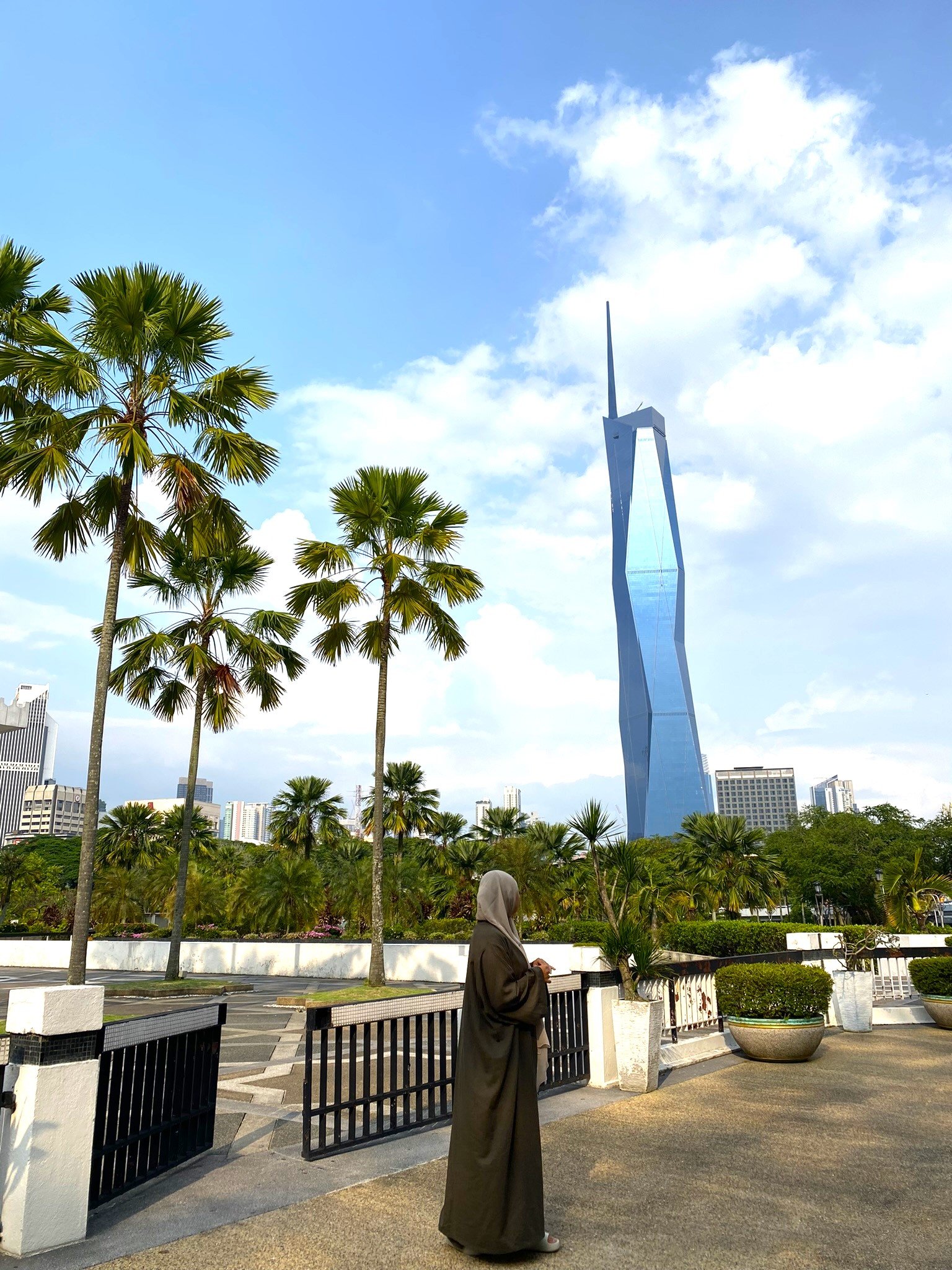
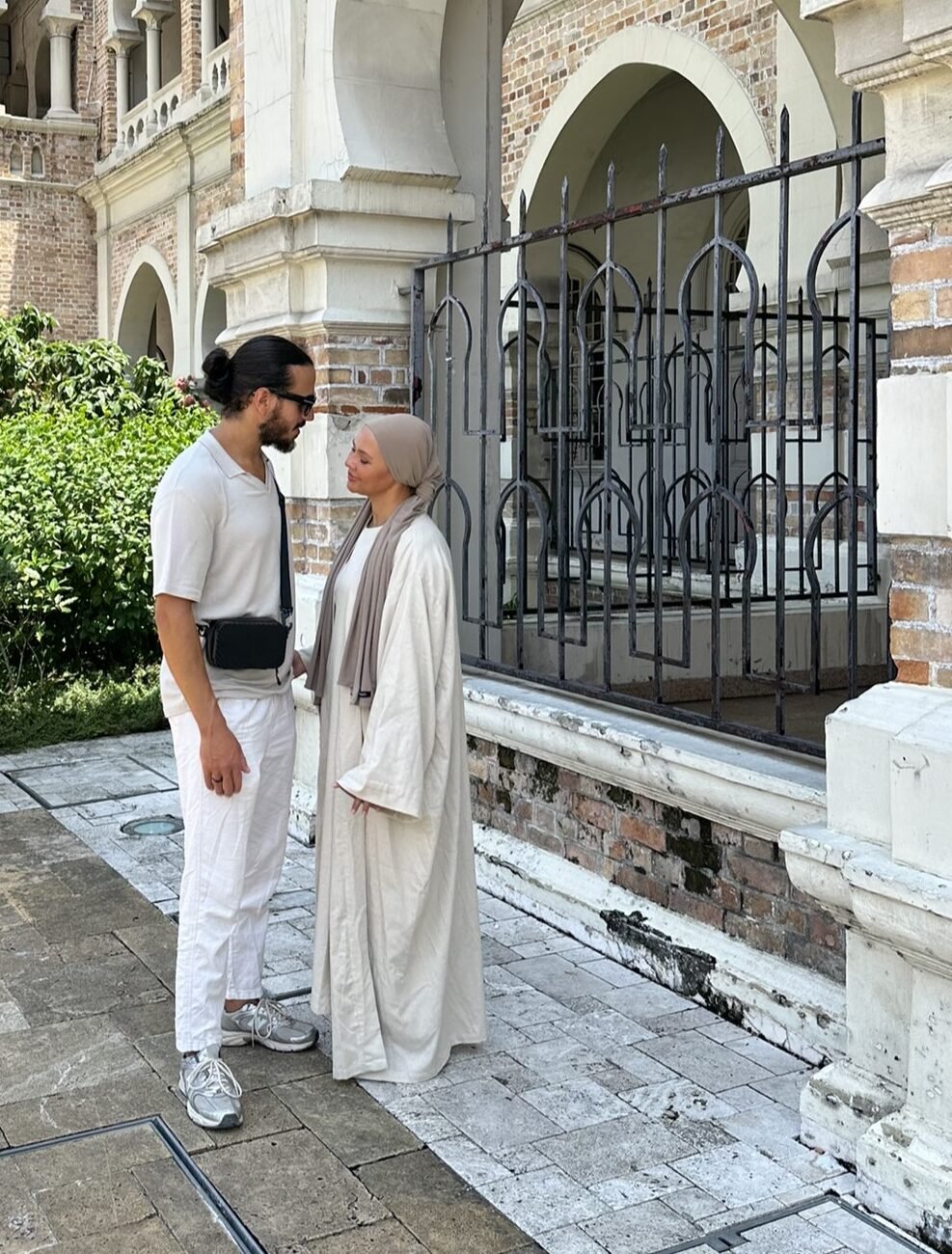
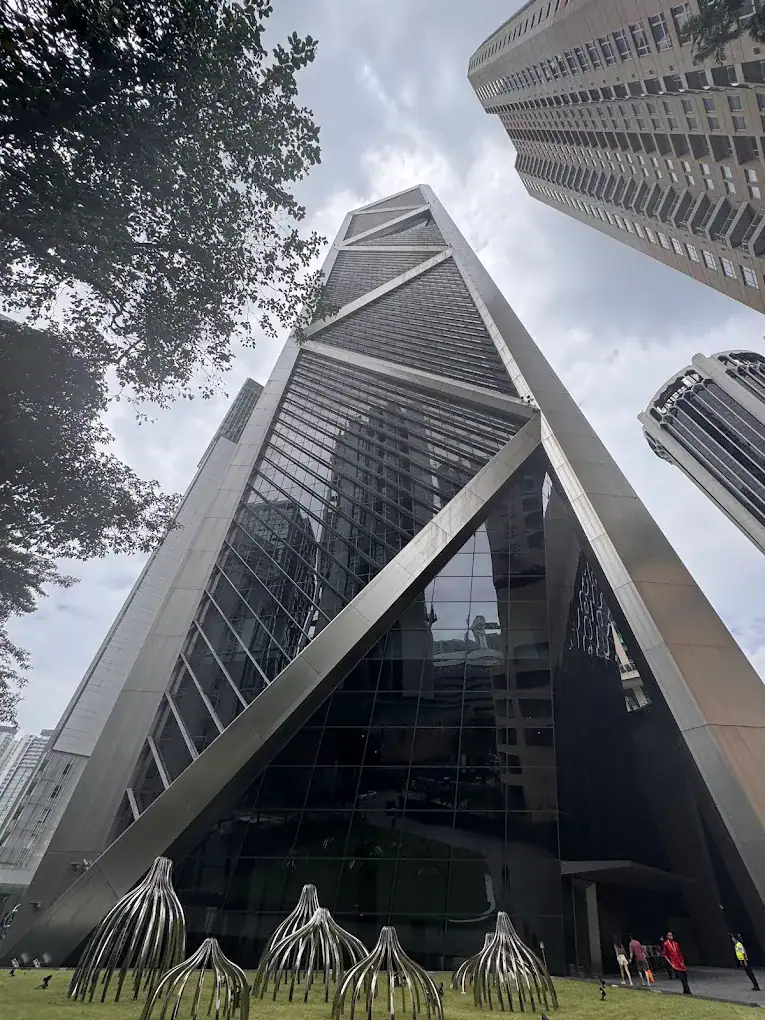
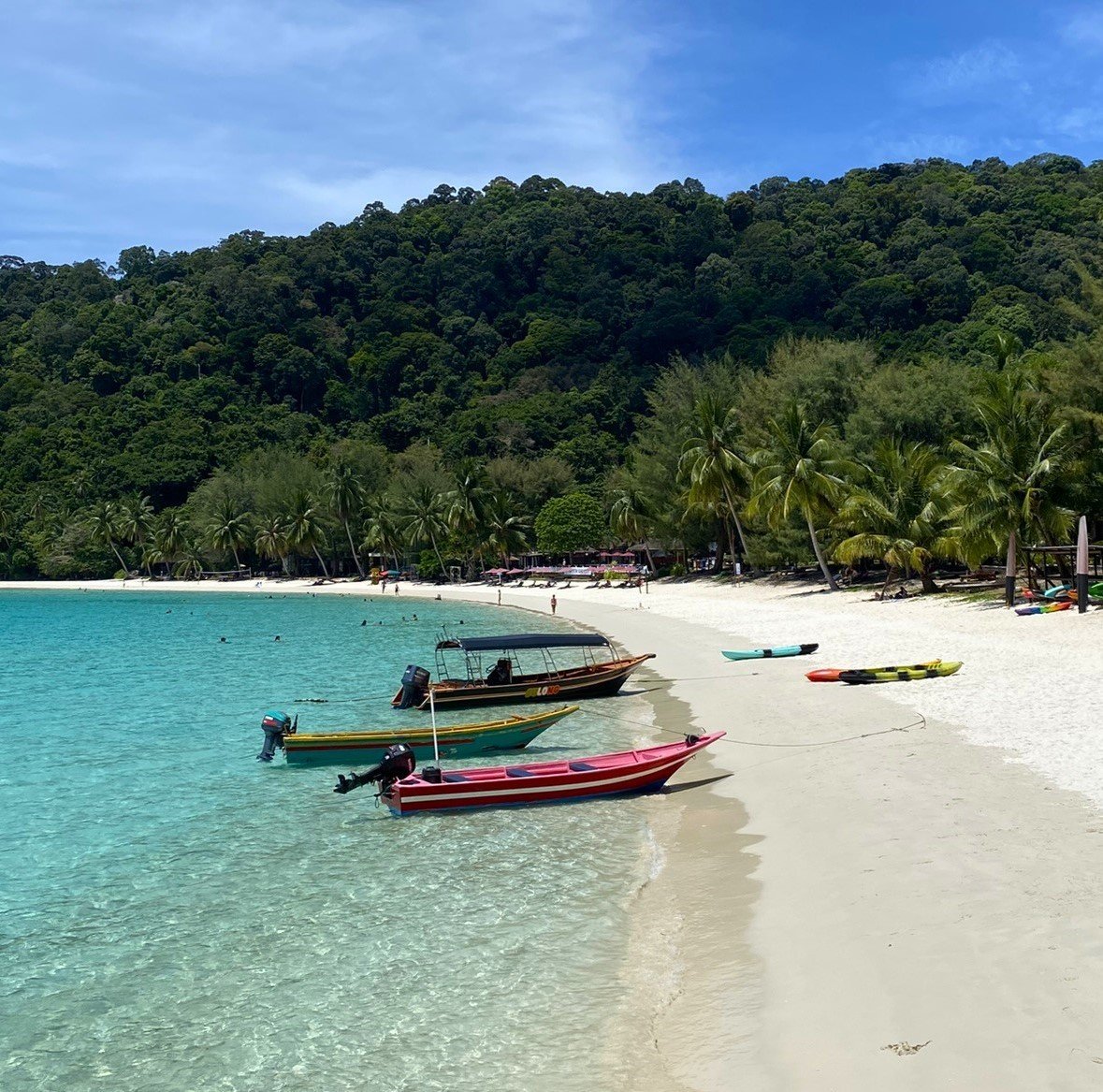
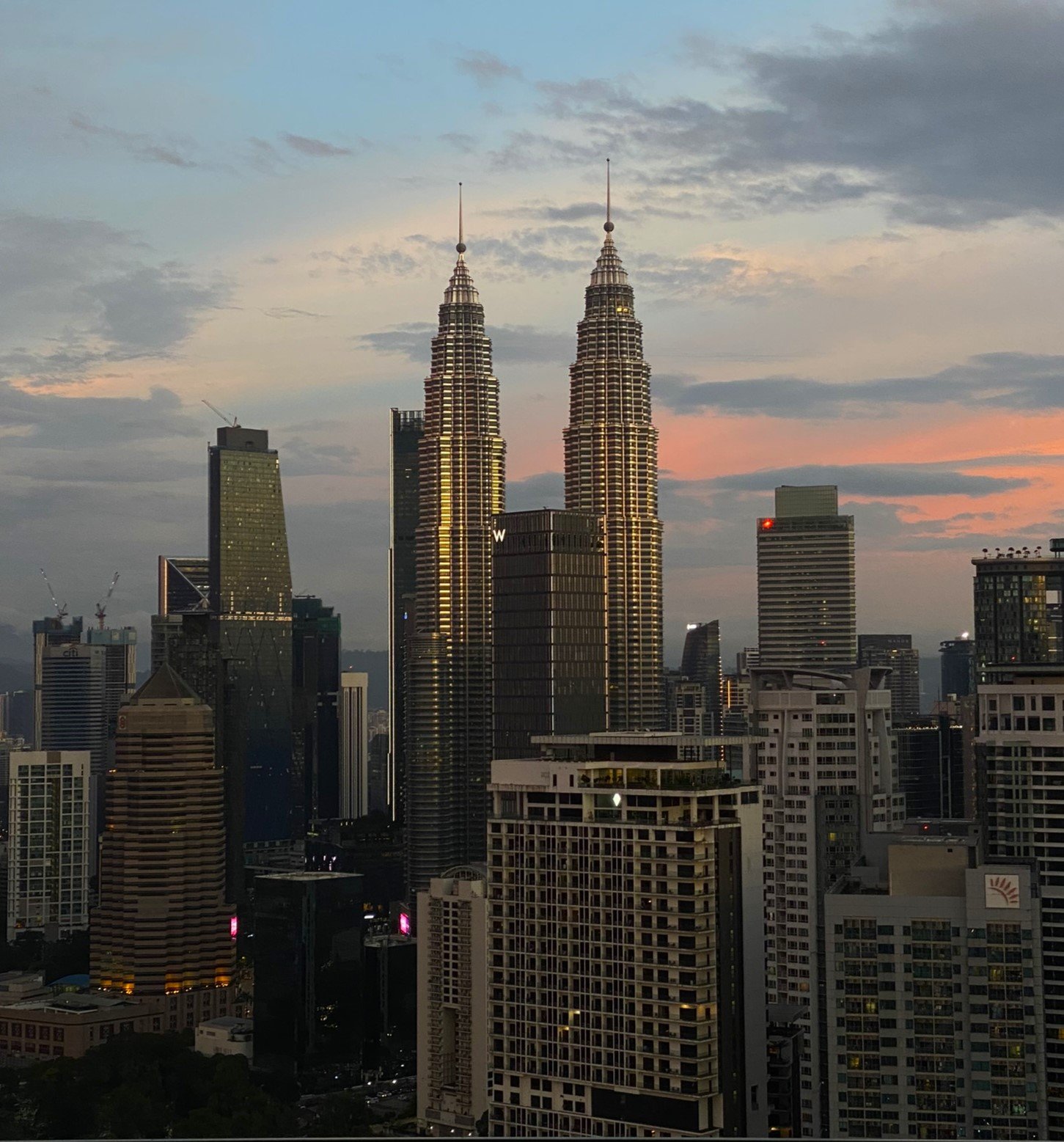
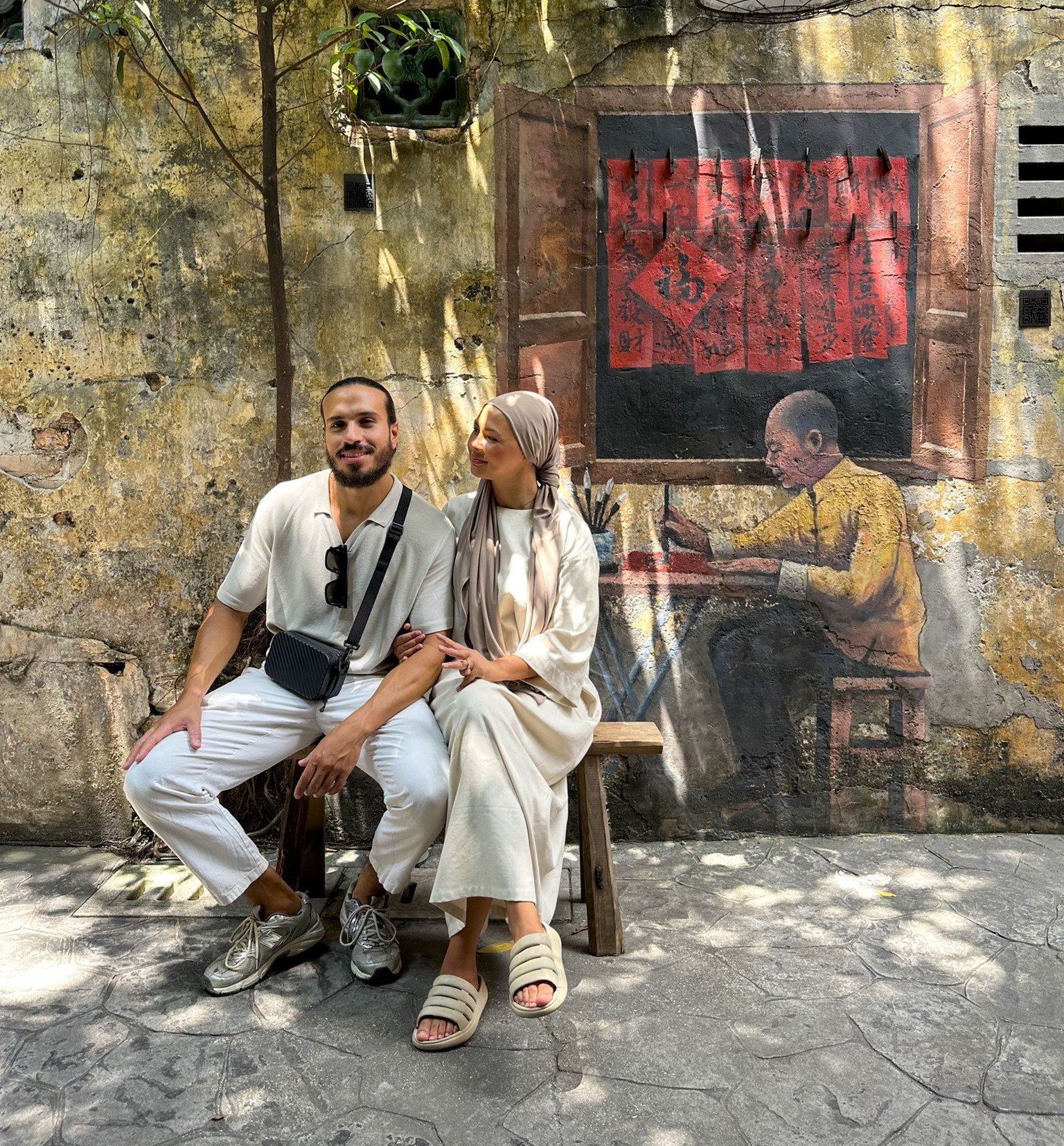
We’ve explored many cities across Asia, yet Kuala Lumpur continues to hold a special place in our hearts. It’s a modern travel hub with skyscrapers alongside beautiful mosques, busy street markets, and peaceful green parks. Over the past two years, we’ve spent a total of four months living in KL, including the month of Ramadan, experiencing the city as part of everyday life rather than as tourists.
After independence, it became Malaysia’s economic hub, drawing people from all over the country and the world, creating its diverse population today. The city now reflects centuries of Malay, Chinese, Indian, and Islamic influences that live side by side in harmony. Islam plays a central role in daily life, which makes Kuala Lumpur naturally welcoming and practical whether you are visiting as a couple, with family, or as a solo traveler.
We know Kuala Lumpur isn’t everyone’s favorite at first and we often hear mixed opinions, but we truly believe that it comes down to where you go and how well you’re prepared. Below, we share what helped us move smoothly through the metropolis and enjoy it at our own pace.
When is the best time to visit Kuala Lumpur?
Kuala Lumpur has a tropical climate with warm temperatures all year round. We have visited the city in 2 different times of the year. In October – November and in March – April. In the November period it felt a little less hot, but more humid. In March we had some frequent rain showers, but it also became very hot during the days, especially in April. It was Ramadan at this time, so maybe the fasting made the heat less bearable.
The best time to visit is generally during the drier seasons between May to July and December to February. Rain showers can occur at any time of the year, but they are usually short and refreshing.
Even during the rainy season the city still works well and remains a great destination due to its many indoor activities. We noticed how Kuala Lumpur is built to deal with tropical weather, with covered walkways and pedestrian bridges connecting malls, metro stations, and office buildings. This made it easy for us to keep moving on foot, even during heavier rain, without it disrupting our plans.
How to travel to Kuala Lumpur?
Traveling to Kuala Lumpur is really easy, since it’s such an international city that attracts people from all over the world. It has many international direct flight connections. We are from Belgium, so like any other country in Europe you’ll most likely have a flight with 1 stop in either Singapore, Thailand (Bangkok), the UAE (Dubai), Qatar (Doha) or Turkiye (Istanbul). Direct flights from some places like The Netherlands (Amsterdam), UK (London), and France (Paris) are available at higher prices. There are many flight options to choose from and to find the best prices we always check on this site.
Transport within Malaysia
We find the best way to go from one city to another in Malaysia is by bus or train. Kuala Lumpur is easily reachable by intercity bus or train from cities like Penang, Malacca or Singapore but also by domestic flights (flights within the country). Like everywhere in Asia it’s best to book transport here.
Transport from the airport to the city
Once you arrive at the airport, you are still about an hour away from the city. From our experience, there are several easy ways to get into Kuala Lumpur, depending on how you like to travel.
We usually prefer being dropped off directly at our accommodation. For that, Grab and airport taxis are available 24/7. We found Grab to be more affordable and reliable, especially during busy hours.
TIP: Before booking a Grab, make sure you know the exact pickup point, including the correct floor and area. The airport can be very busy, and drivers usually cannot wait long if you are not at the pickup location.
If you prefer public transport, the KLIA Express train is the fastest option. It takes you straight to KL Sentral in about 30 minutes for 55RM (12 euro) and runs every 15–20 minutes. Tickets can be bought online here, or at the airport terminals.
For a more budget-friendly option, airportbuses are a good option. They cost much less than the train and connect the airport to KL Sentral and other major stops in the city. The journey takes longer, around 60–75 minutes but only costs 15RM (3 euro). Buy a ticket at the KLIA bus terminal CTS counters.
Tips for transportation in Kuala Lumpur
The most popular way to get around is by Grab, which is an app just like Uber. It is cheap, safe, and very convenient. Just after a quick registration in the app you’re ready to book transport or food delivery. How it works is you choose your pick-up and drop-off location after choosing the type of vehicle (car, van, motorbike, etc.) and you will get to see a fixed price. Payments can be done via the app (Mastercard) or cash.
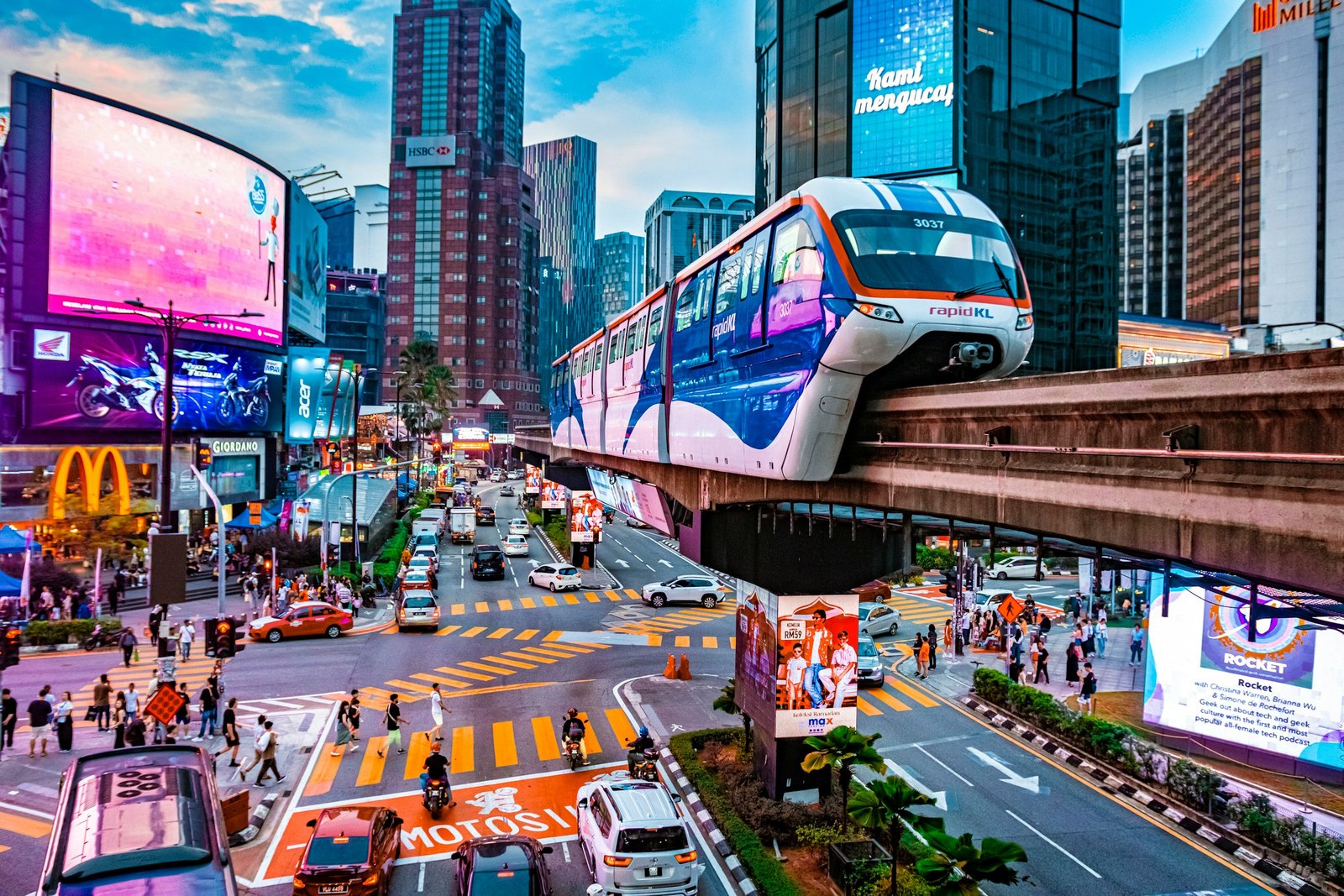
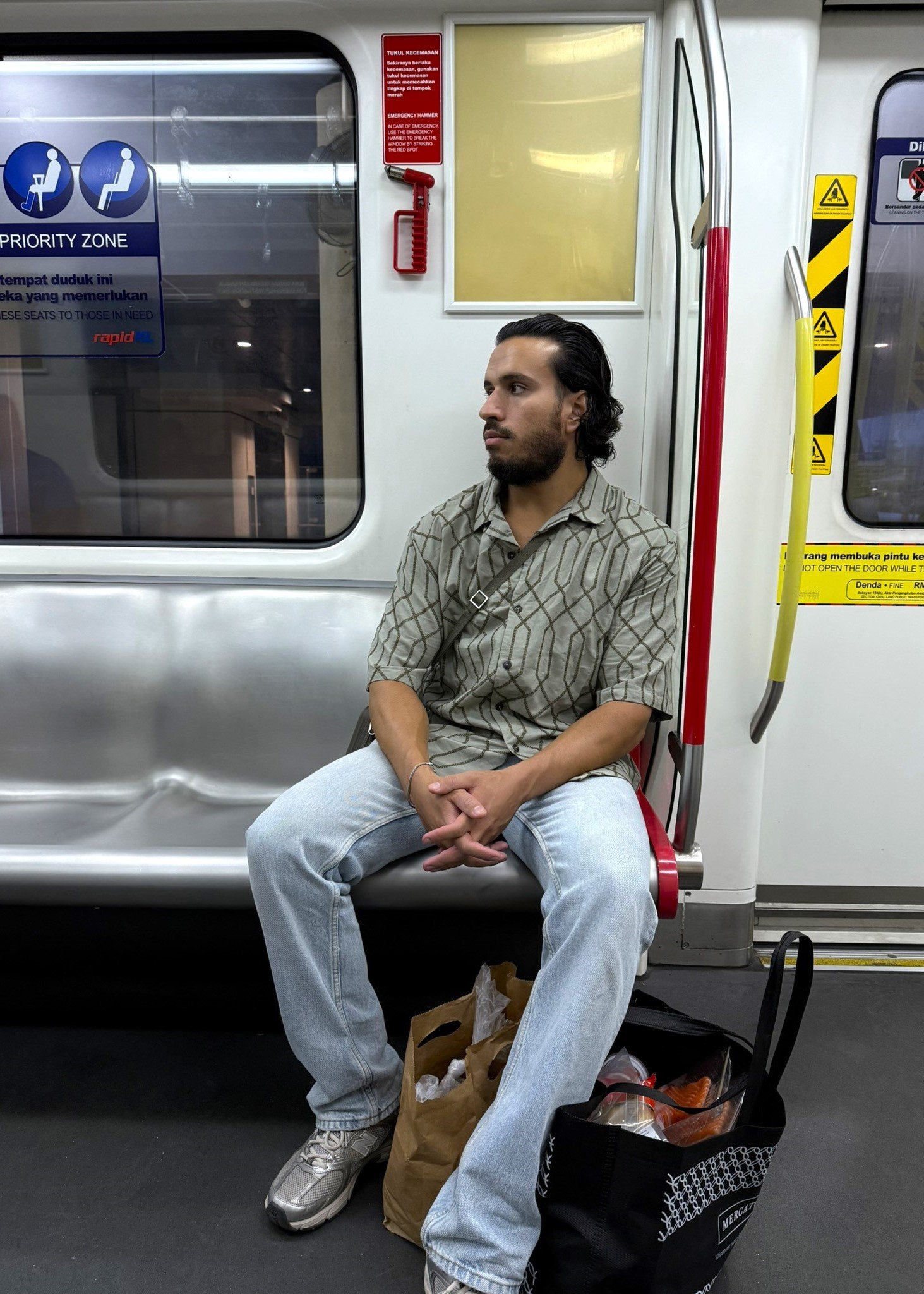
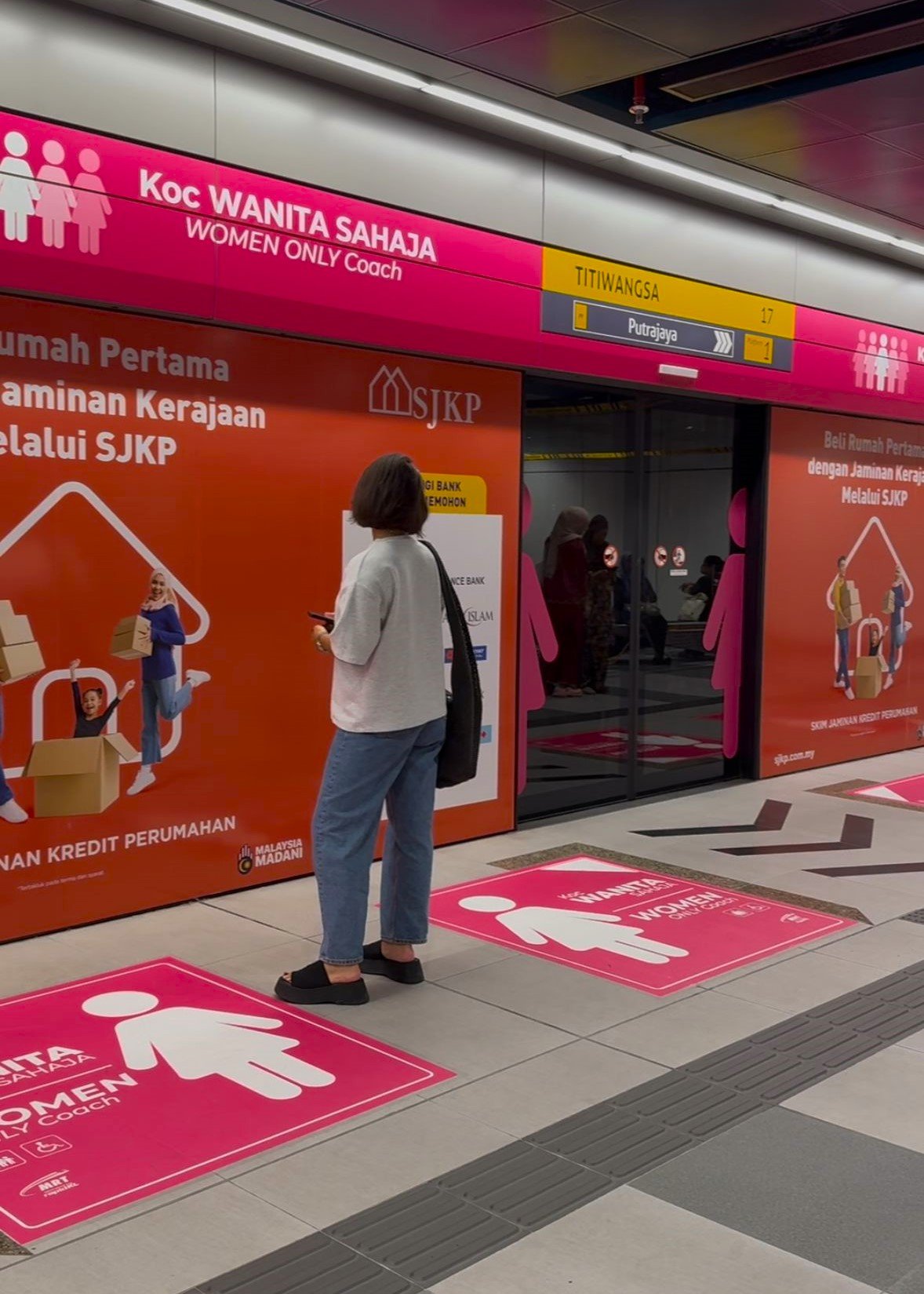
Kuala Lumpur also has a strong public transport system. The LRT, MRT, Monorail, and KTM trains cover most areas. We often used Google Maps to navigate to our destination, then switched to the public transport option to see live train and bus connections.
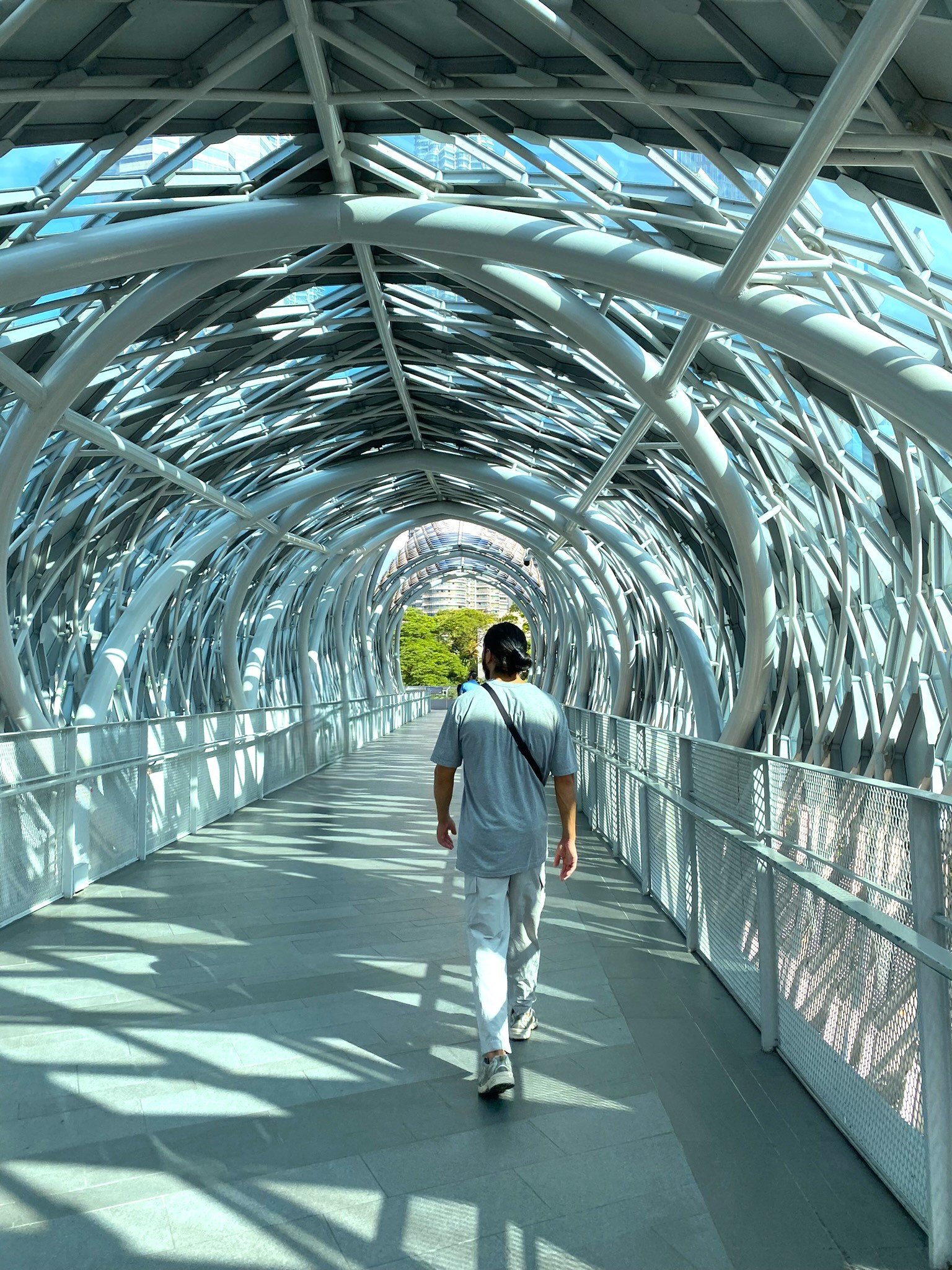
In central areas like Bukit Bintang and KLCC, walking is easy. These areas are connected by covered walkways and pedestrian bridges, which helped us avoid traffic and walk comfortably between malls and attractions.Google Maps shows the KLCC-Pavillion-Bukit Bintang skywalk.
TIP: It’s best to avoid traveling between 7:30–9:30 AM and 5:30–7:30 PM (rush hour) to not get stuck in traffic. Also be aware that when it starts raining heavily traffic can get stuck.
Things to do in Kuala Lumpur
Kuala Lumpur has a lot to offer. There is always something to do, no matter how long we stayed. And every time we came back, we found new things to try.
We’ll share our top 10 must do and see activities with you! Many more activities including kids-friendly activities are listed in our Kuala Lumpur city-guide!
Central Market
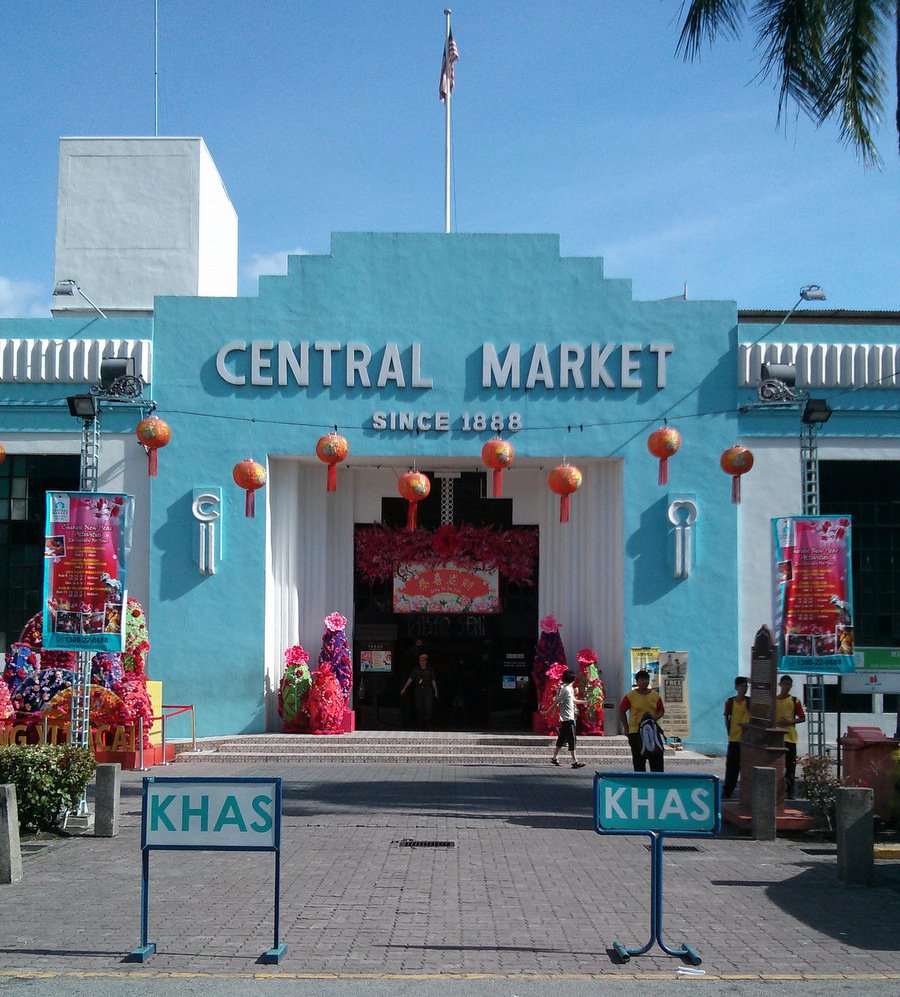
Central Market is one of the local markets we enjoyed most in Kuala Lumpur. It’s only about a 10-minute walk from the Sultan Abdul Samad Building, which makes it easy to include in a city walk. Inside, there are hundreds of small shops and stalls, and we liked taking our time browsing batik fabrics, handmade souvenirs, artwork, jewelry, and local crafts, with food smells coming from different corners! The market is open daily from 10 am to 10 pm, so it’s easy to fit into your day.
Sultan Abdul Samad Building & Merdeka Square
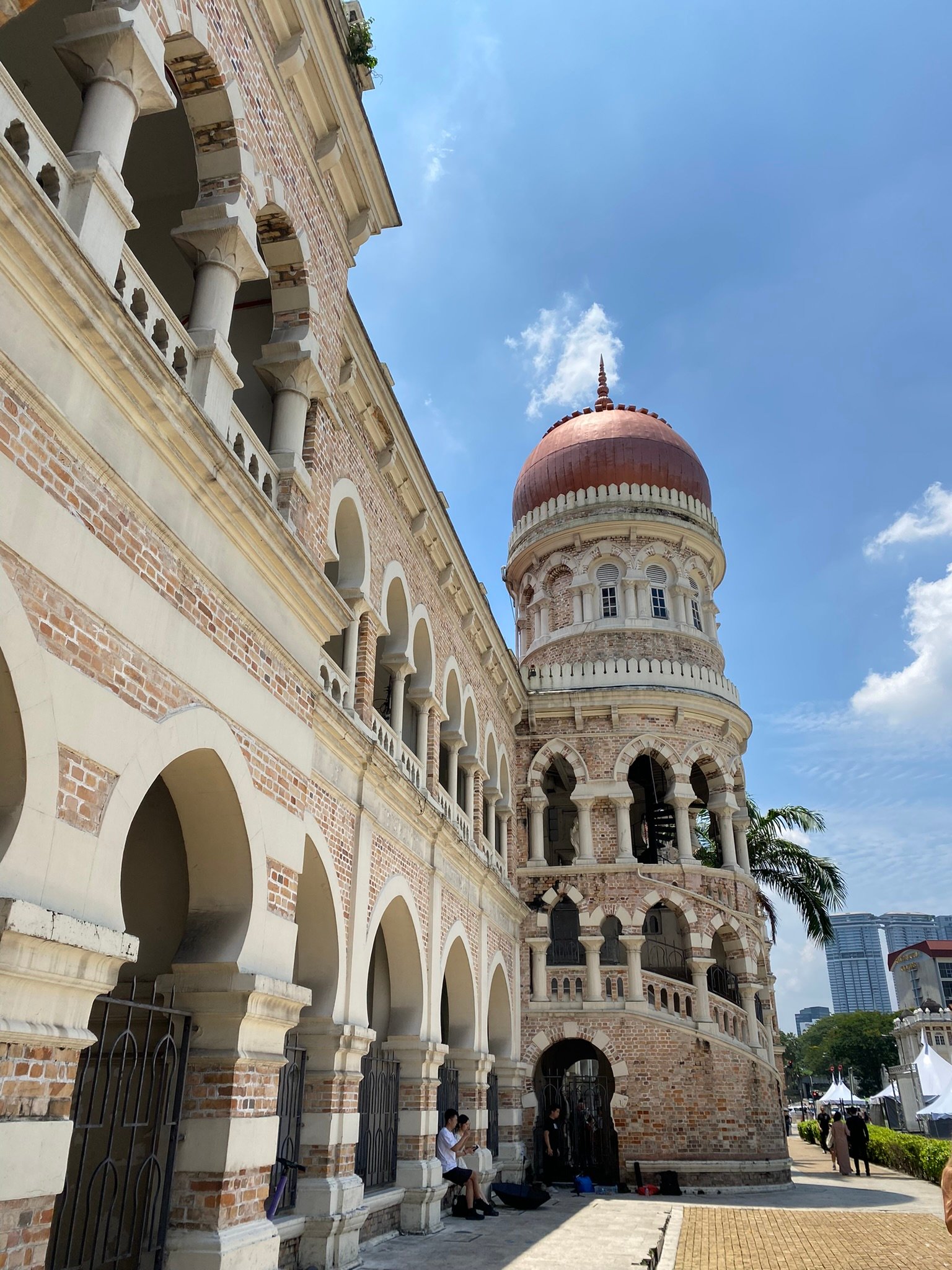
Sultan Abdul Samad Building is one of the oldest buildings in Kuala Lumpur, dating back to the British colonial period. It stands right next to Merdeka Square, where Malaysia declared its independence.
We enjoyed stopping here to take in the architecture, especially in the late afternoon and evening. At sunset and at night, the building is beautifully lit and feels calm despite being in the city center. Just nearby is the River of Life, a renovated riverside area that’s nice for a short walk and taking photos in the evening.
TIP: The building just reopened with several new cafe’s inside, so people can now enjoy coffee and food in the stunning, historic setting. It is daily open from 9 am to 6 pm.
Batu caves
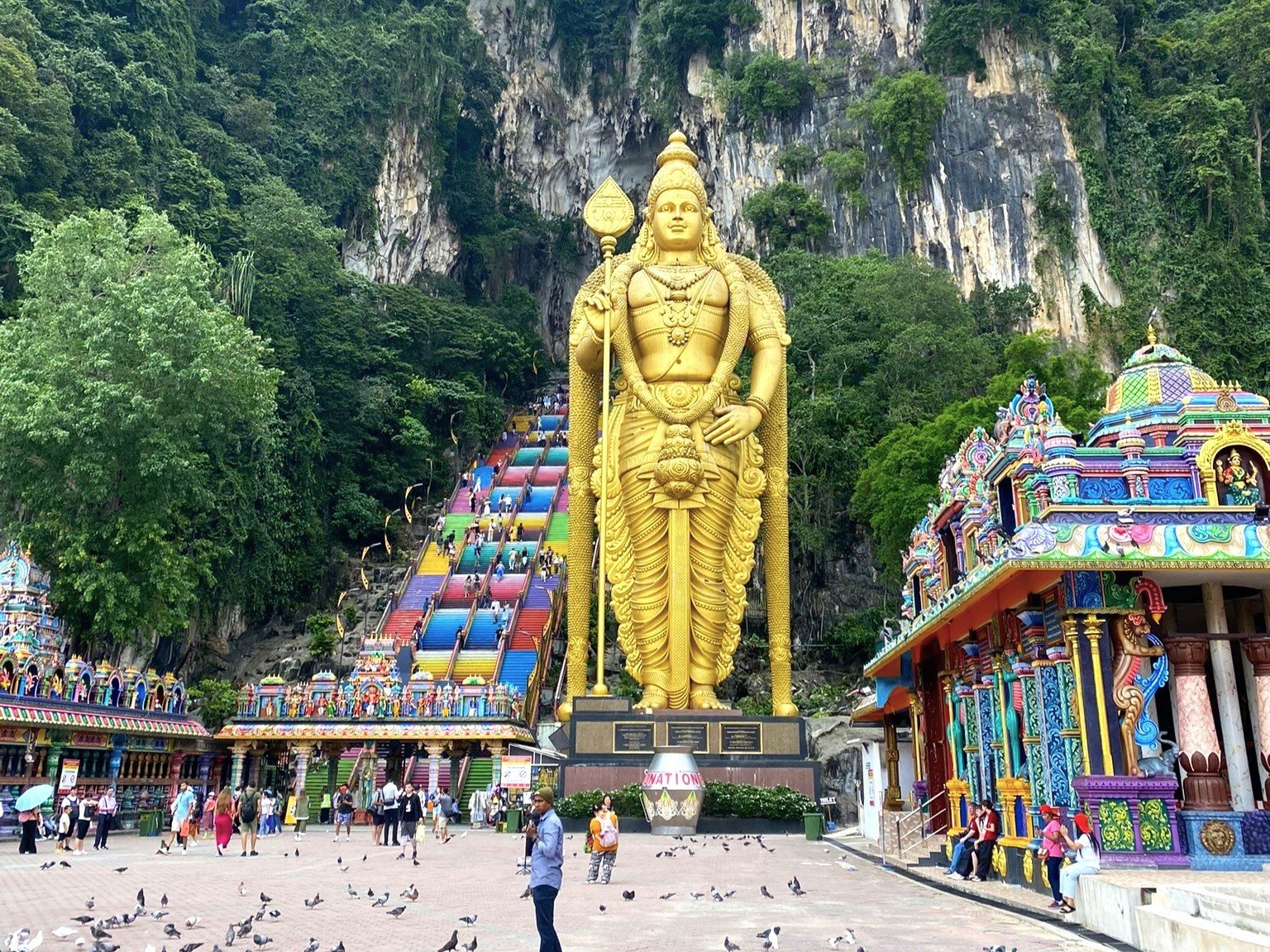
The Batu Caves are a popular attraction near Kuala Lumpur. Inside the limestone caves are Hindu temples that are accessed via a big, colorful staircase. As Muslims, we don’t consider Batu Caves a must-visit, but if you want to experience Malaysia’s cultural diversity, you can easily include it in your itinerary.
We suggest visiting early in the morning to avoid the heat and large crowds. You can reach Batu Caves by Grab, or join a half-day tour if you prefer something more structured.
Chinatown (Petaling Street)
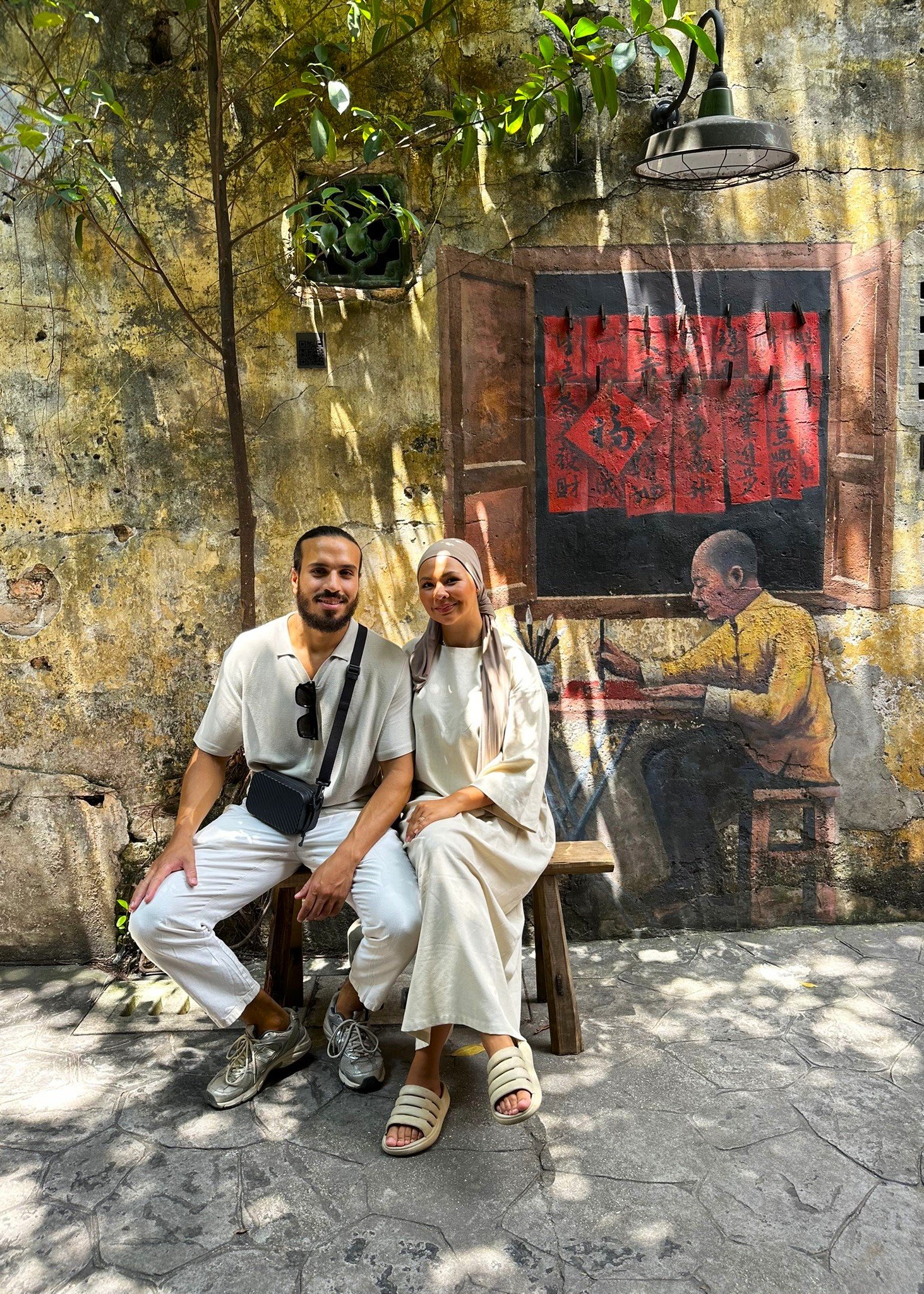
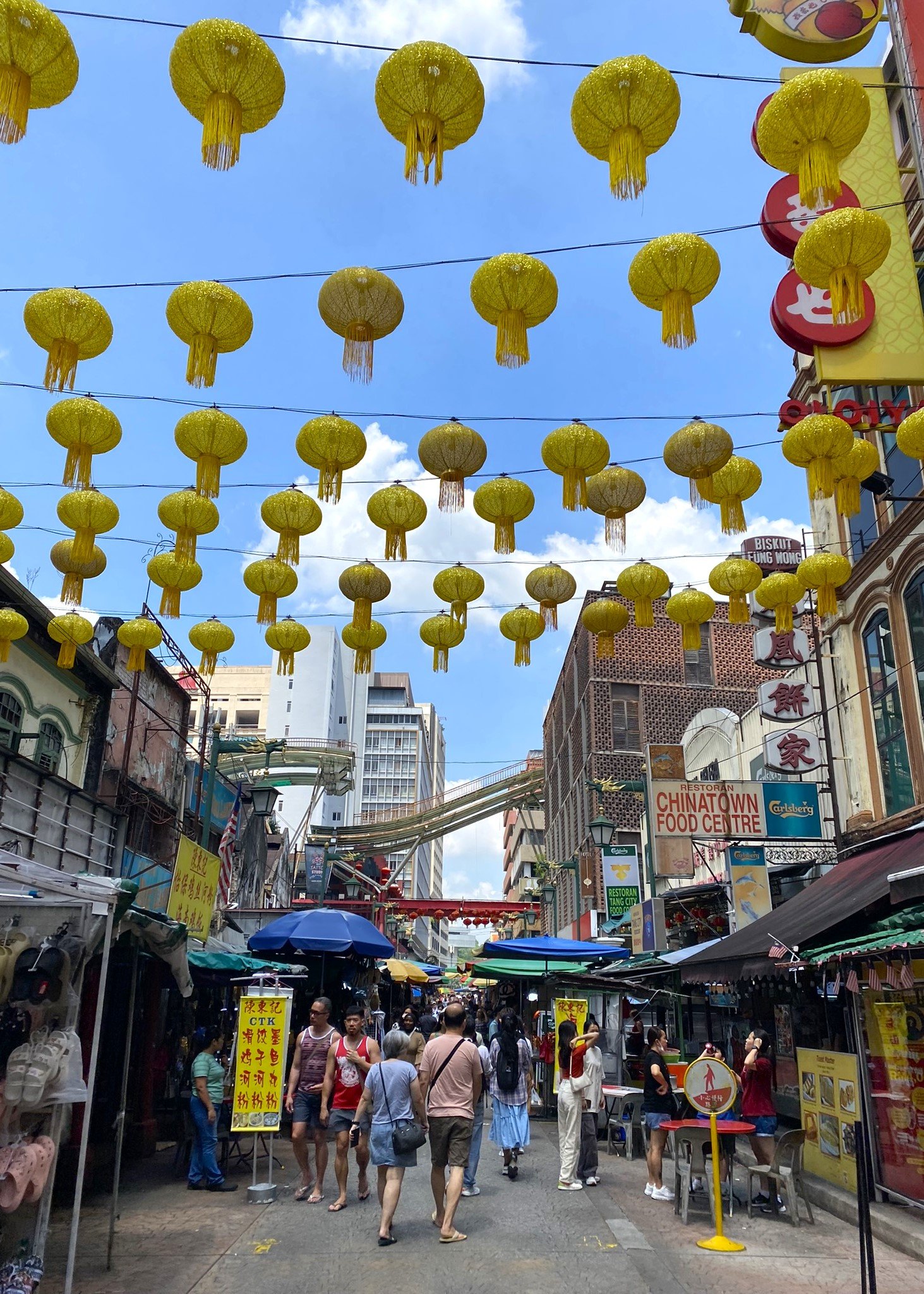
Only a short walk from Merdeka Square is Chinatown, one of the most exciting neighborhoods in Kuala Lumpur. The area is famous for its busy market, food stalls, souvenirs, and historical buildings. We’ll share a few hidden gems inside Chinatown with you:
Kwai Chai Hong – A small alley with colorful murals, heritage houses, and cozy cafés.
Lorong Panggung – A bright, Instagram-worthy street filled with lights and street art.
REXKL– An old cinema transformed into a creative space with bookstores, events, cafés, and exhibitions.
Islamic Arts Museum
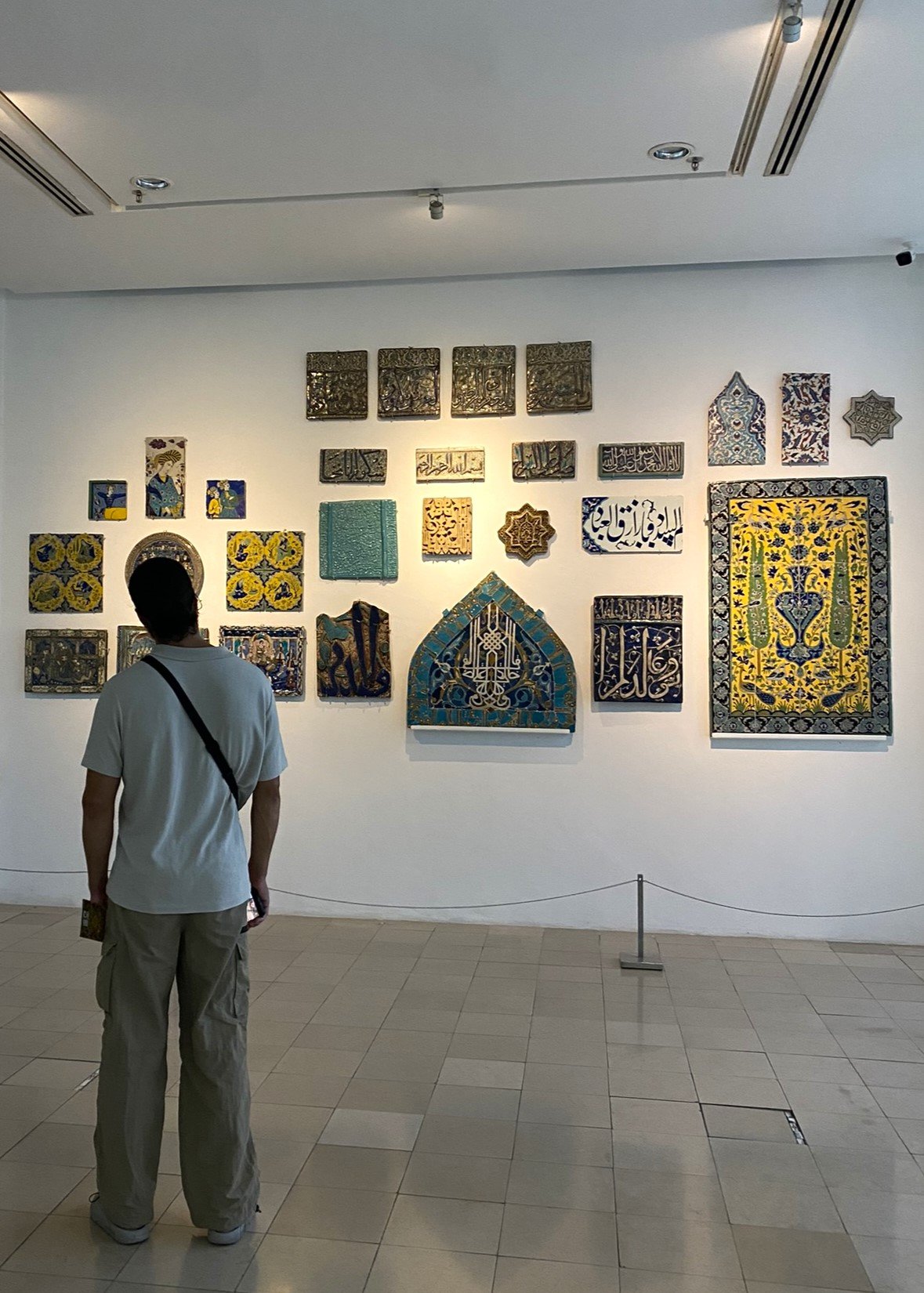
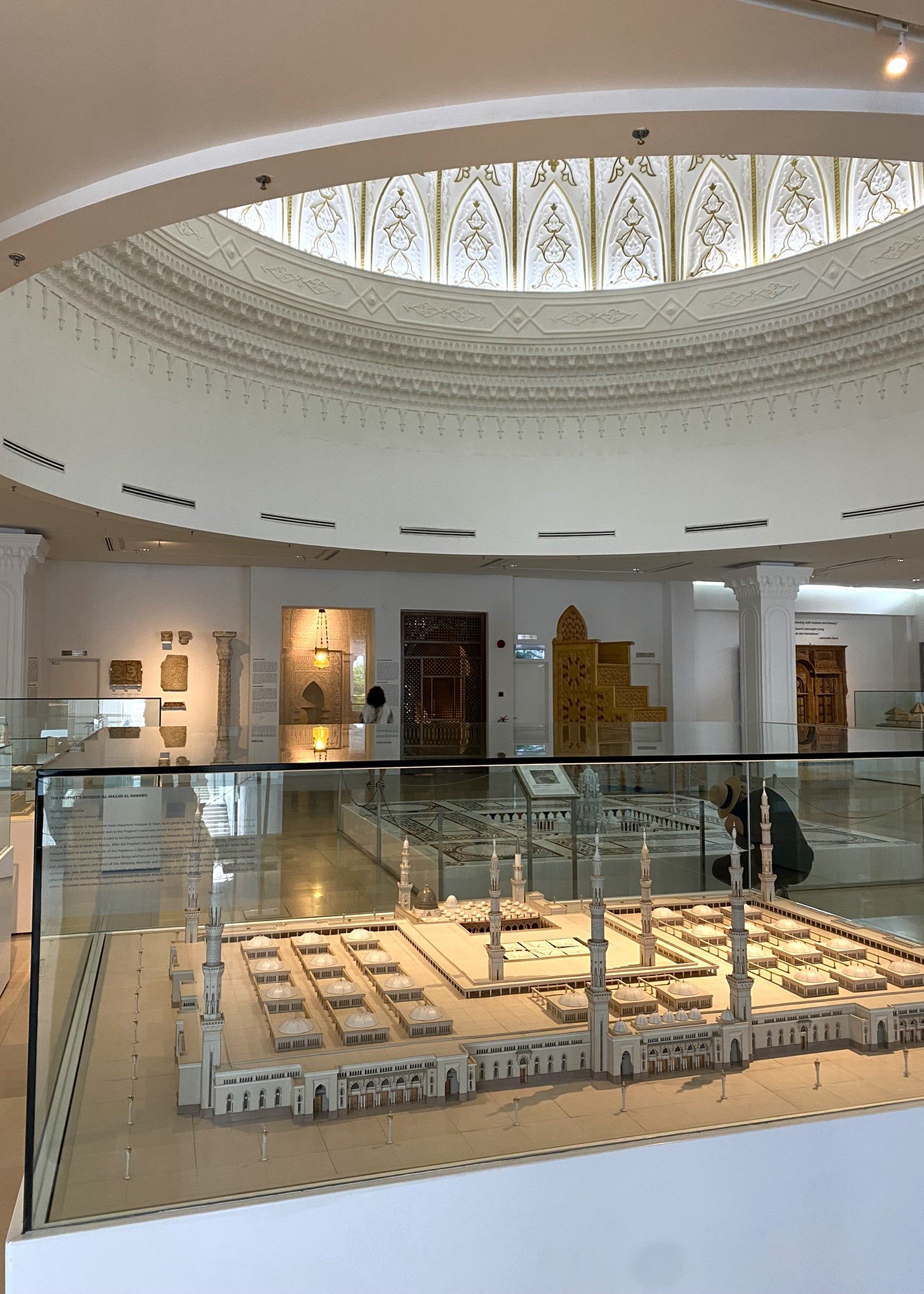
The Islamic Arts Museum is one of the most impressive museums we have ever visited. Inside, we found stunning Islamic calligraphy, intricate architectural models, ancient manuscripts, textiles, and rare artifacts from across the Muslim world. The designs, patterns, and peaceful vibe make this museum not only educational but also inspired us to buy calligraphic art.
The museum is open daily from 9:30 am to 6 pm and the entrance fee is around 4 euro.
TIP: The location of the museum is right in front of the National Mosque and the Perdana Botanical Garden. That’s 2 or 3 activities to combine!
Putrajaya Day Trip
Putrajaya was developed to house government offices and institutions, making it the administrative capital which helps reduce congestion in Kuala Lumpur.
It now represents a modern city that combines Islamic architecture, green spaces, and wide boulevards and bridges. That’s why a day trip to Putrajaya felt well worth the time for us.
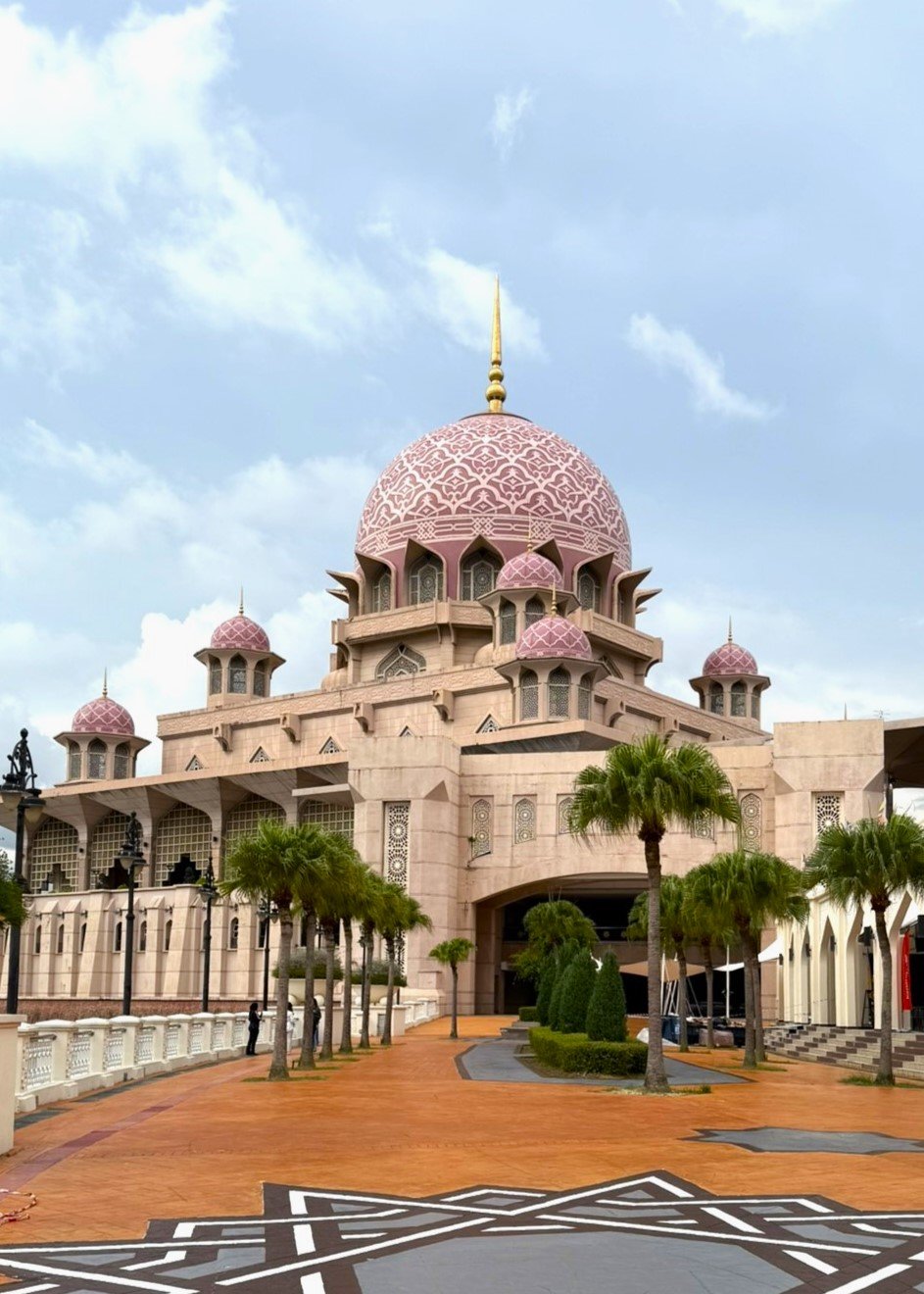
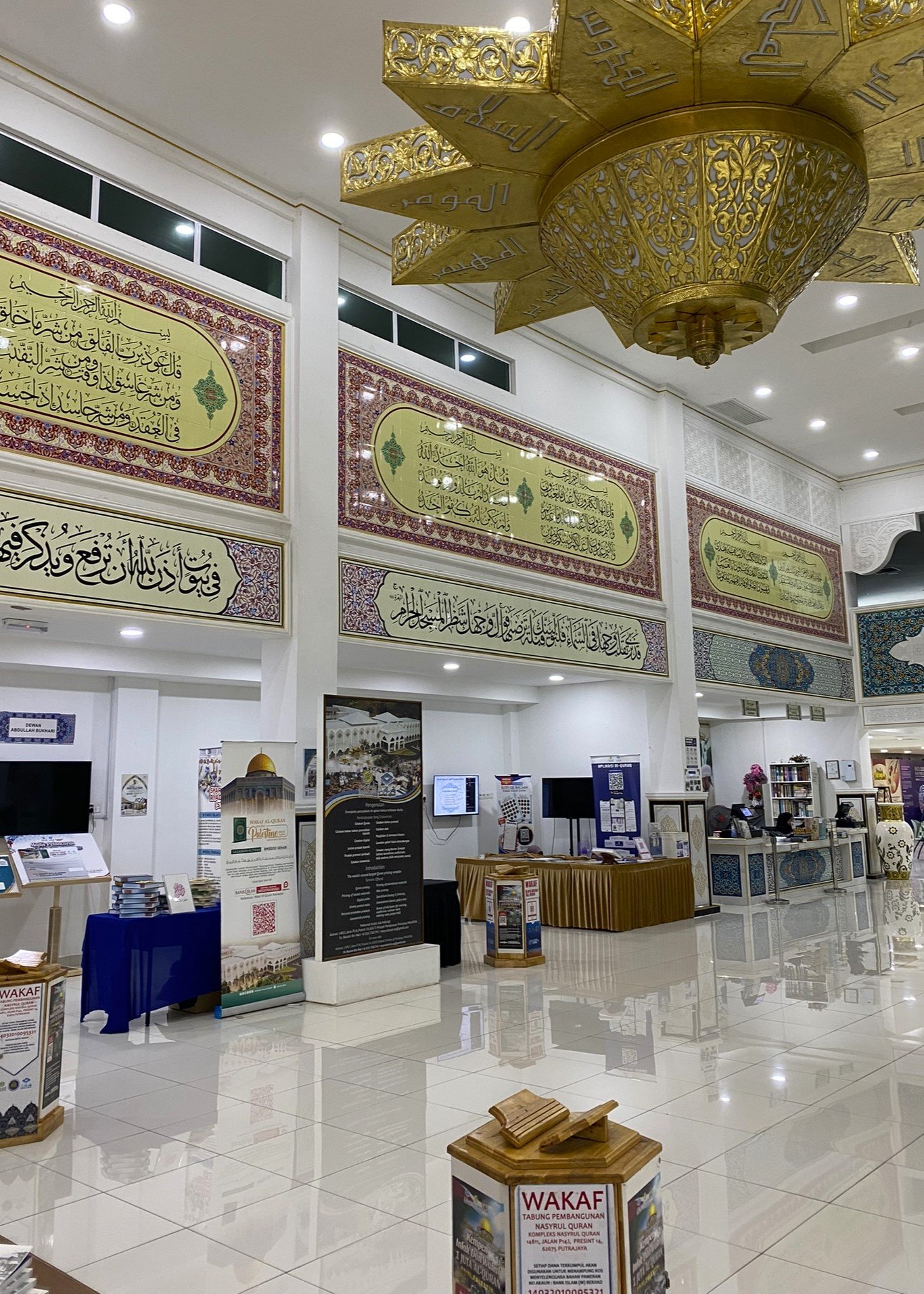
The city is especially known for a couple of impressive buildings. The iconic Pink Putra Mosque, the modern Iron Mosque, and the Nasyrul Quran Complex, which is the second largest Quran printing factory in the world. The Pink and Iron mosques can easily be combined as they are very close to each other. The Nasyrul Quran Complexoffers a guided tour that can be scheduled via Whatsapp (+60 16 718 2741).
Best thing to do is joining a tour that includes passing by most important landmarks so you don’t waste time with navigating. We know just the right one. The itinerary also has a traditional boat tour on the lake to get unique views you wouldn’t get on land! This is the tour you need to book.
TIP: After visiting Putra Mosque, walk down the stairs outside, toward the waterfront. There’s a small local market by the lake where you can grab a snack or drink and sit by the water. This place often gets missed!
Bukit Bintang
Bukit Bintang is KL’s main entertainment and shopping district. It’s a good area to explore if you enjoy busy streets, shopping, and easy food stops.
Pavilion mall is the most known mall in the heart of BB. It’s a luxurious mall with all famous and local brands. A food court is connected to the entrance, so we had plenty of choice for food and drinks.
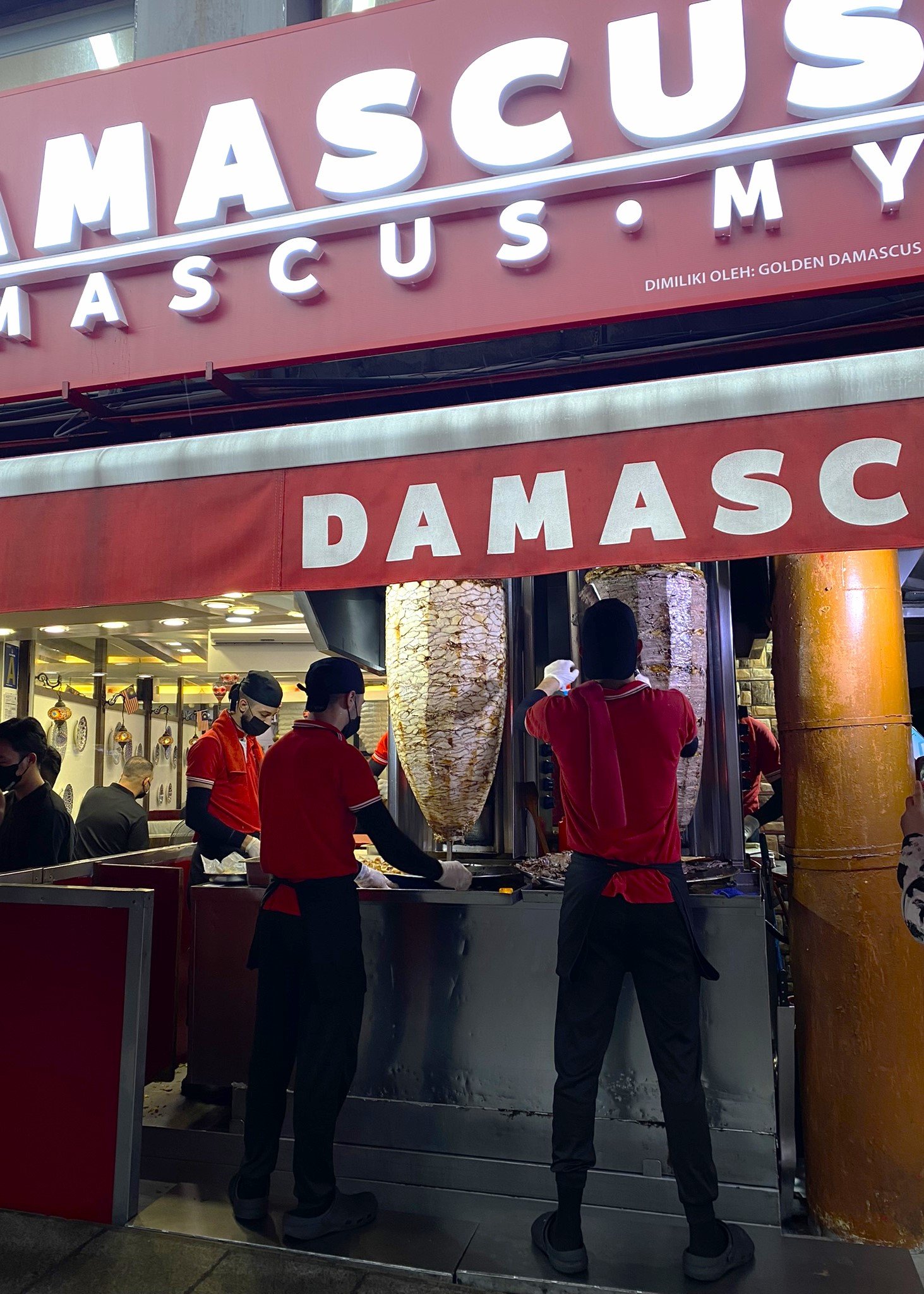
There are also many popular food spots in the area. We noticed places like Damascus, Friend Fries, Kunafe Crisp, and Mon Chinese Beef Roti are part of the best performing.
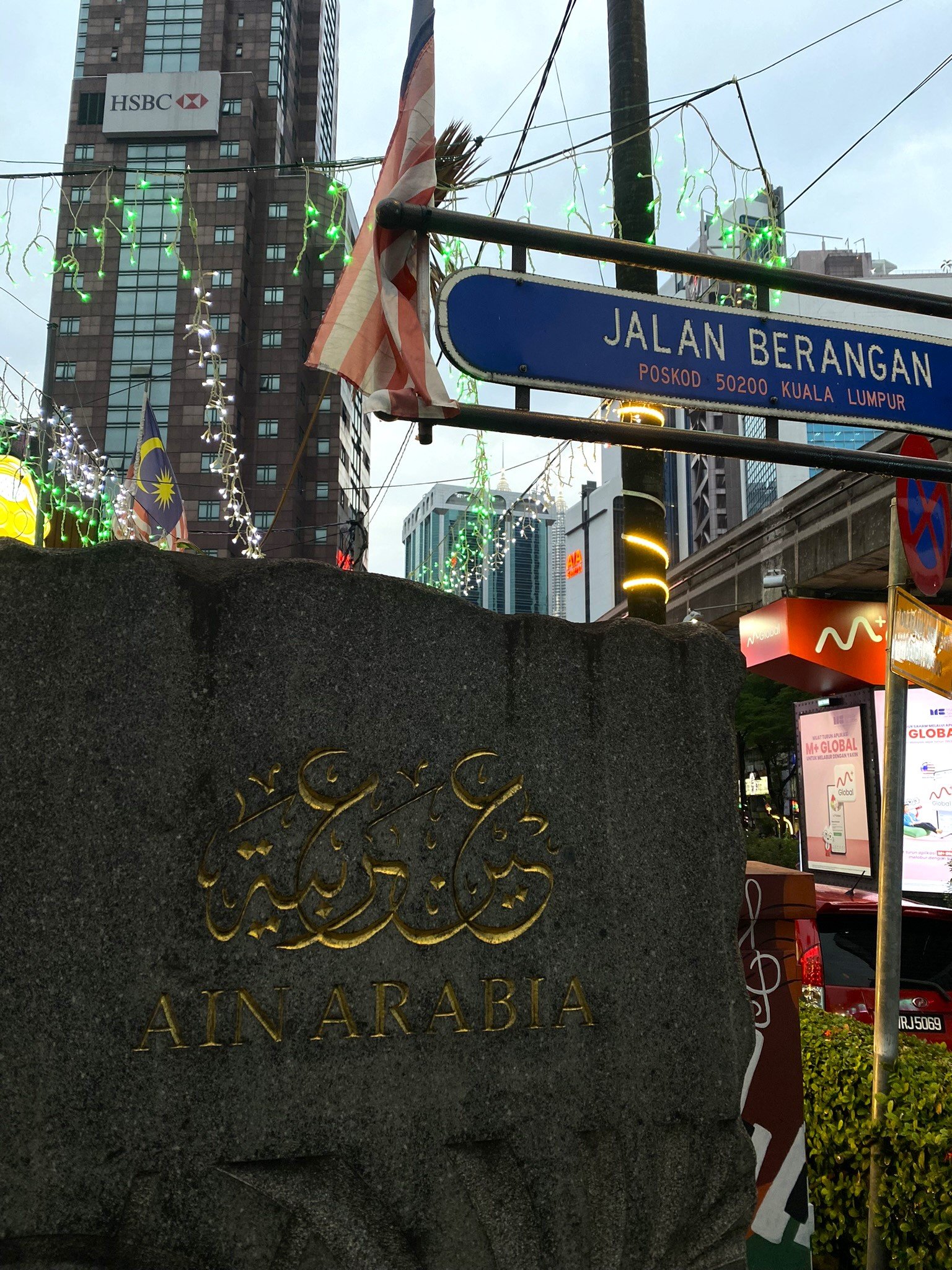
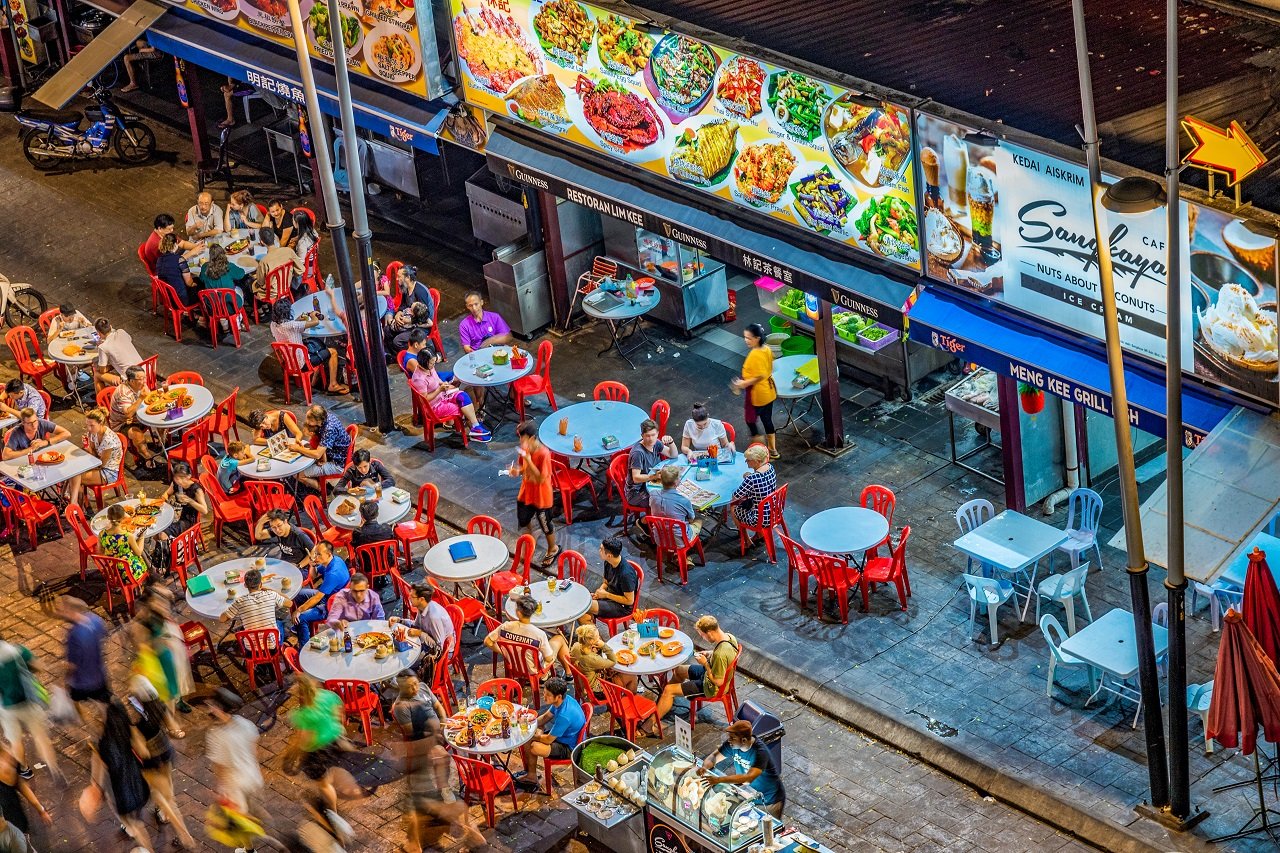
We really like streetfood so walking through Jalan Alor was a real party! Especially in the evening when the street fills with people and food stalls for a wide choice of delicious foods!
Basically, what we’re saying is, Kuala Lumpur is a real food city! Dont’ visit if you’re trying to lose weight, haha! But, seriously, apart from all the food places we share with you on this page, a street food tour is a must. This is how you really get to try new things and local specialties, that you wouldn’t try or even find by yourself. We booked this food tour via this site.
TRX Mall (The Exchange TRX)
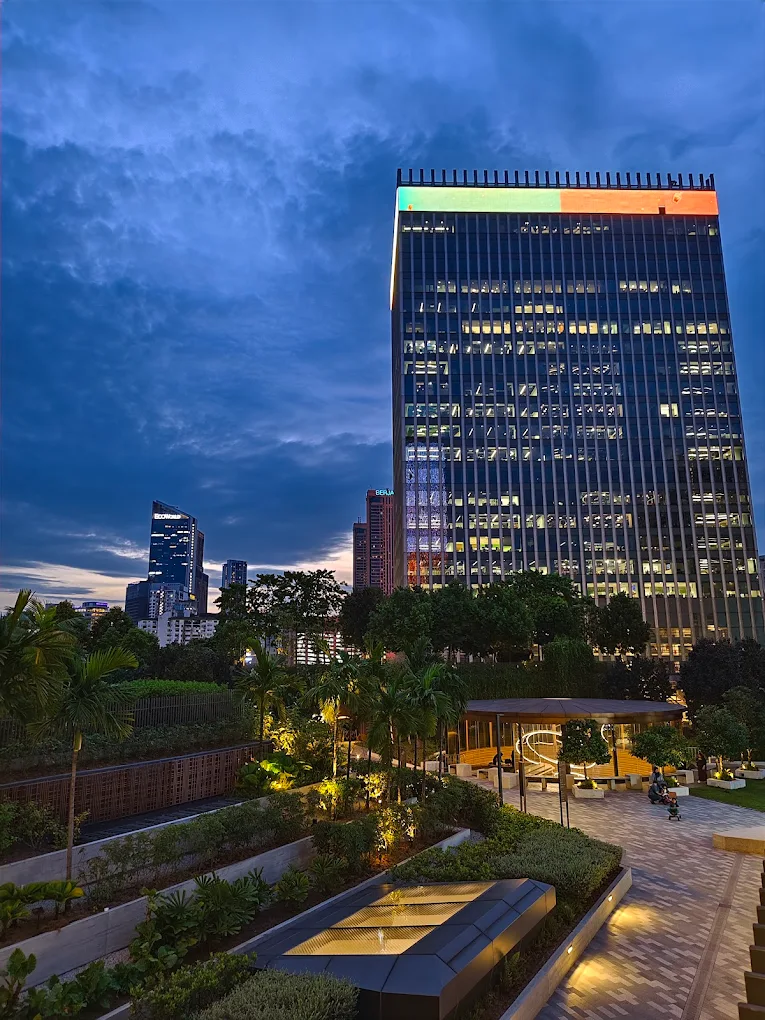
When we first discovered the TRX mall, we we’re surprised that there was a better mall than Pavillion. First of all the location is much quieter which makes it nice to hang around longer. Then, the inside looked so clean and luxurious, it felt like Dubai for a minute. But we have to talk about all the available activities;
It has the largestrooftoppark of SEA with skyline views, chill or picnic spots and multiple kids playing area’s that you can check out here.
It has an exclusive cinema with luxurious seats and services.
The mall owns the first and only Apple store, that gives daily free workshops.
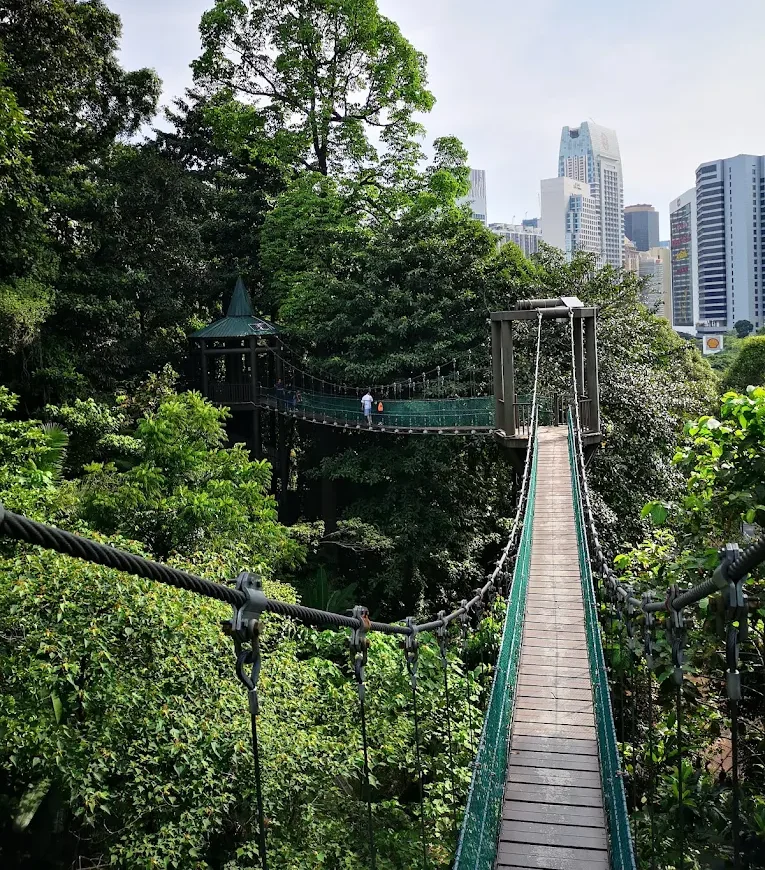
Forest Eco Park (Bukit Nanas)
KL Forest Eco Park is a nice surprise in the middle of the city. It’s located next to KL Tower and feels very different from the busy streets around it.
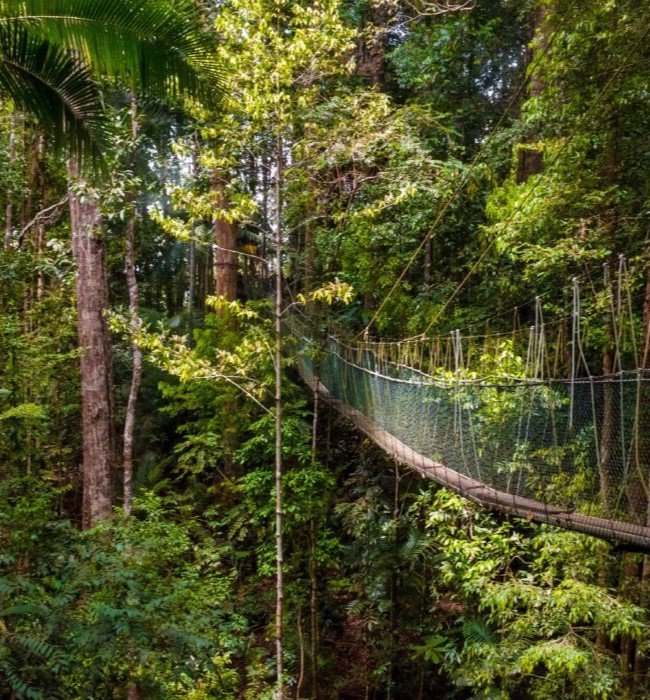
We walked along the forest paths and crossed the canopy bridges, surrounded by trees and shade. It was quiet and relaxing, and a good break from shopping malls and traffic. It’s an easy way to enjoy some nature without leaving Kuala Lumpur. The park is open from 8 am to 6 pm.
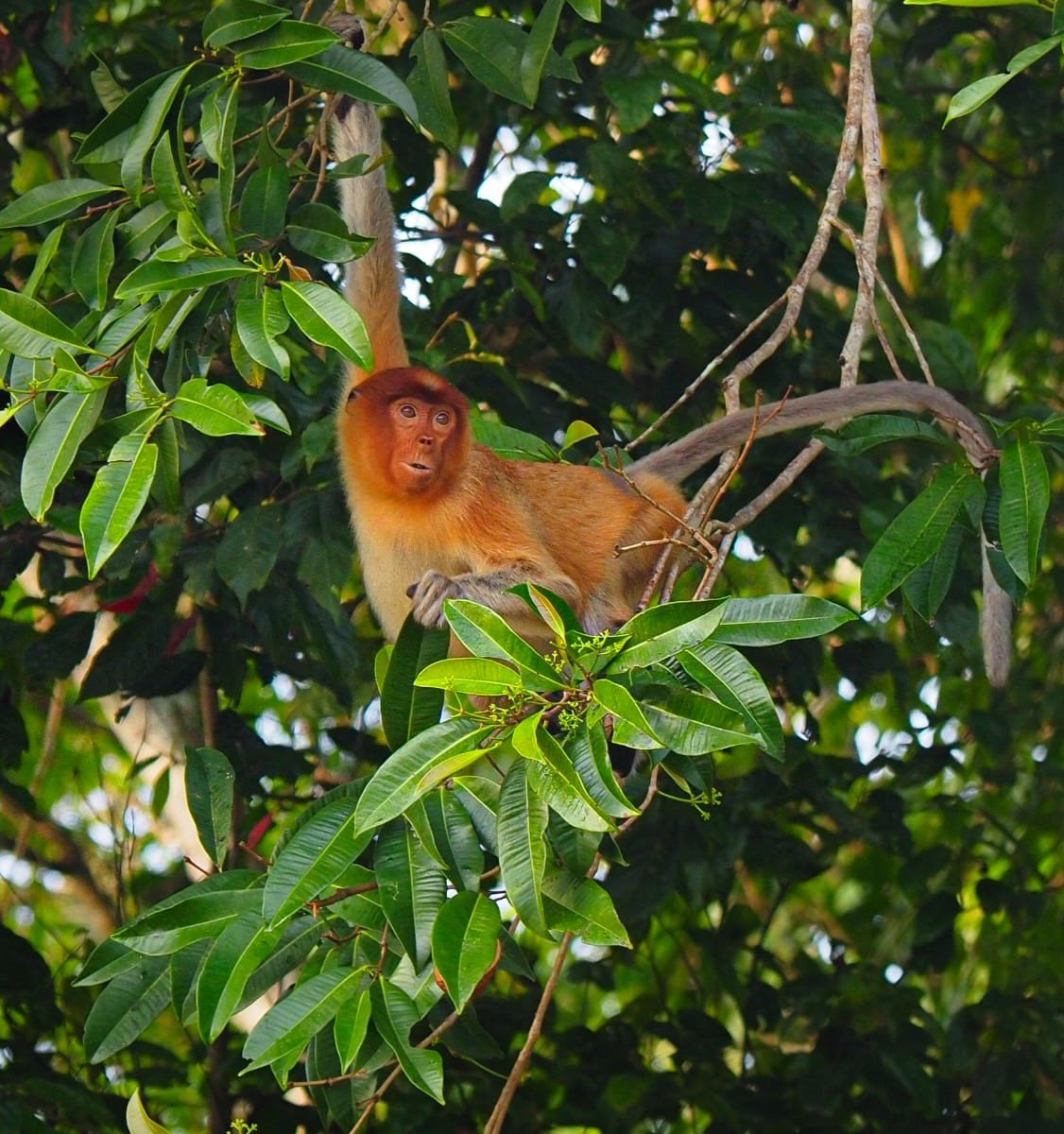
TIP: Monkeys still live here so make sure to keep your belongings safe.
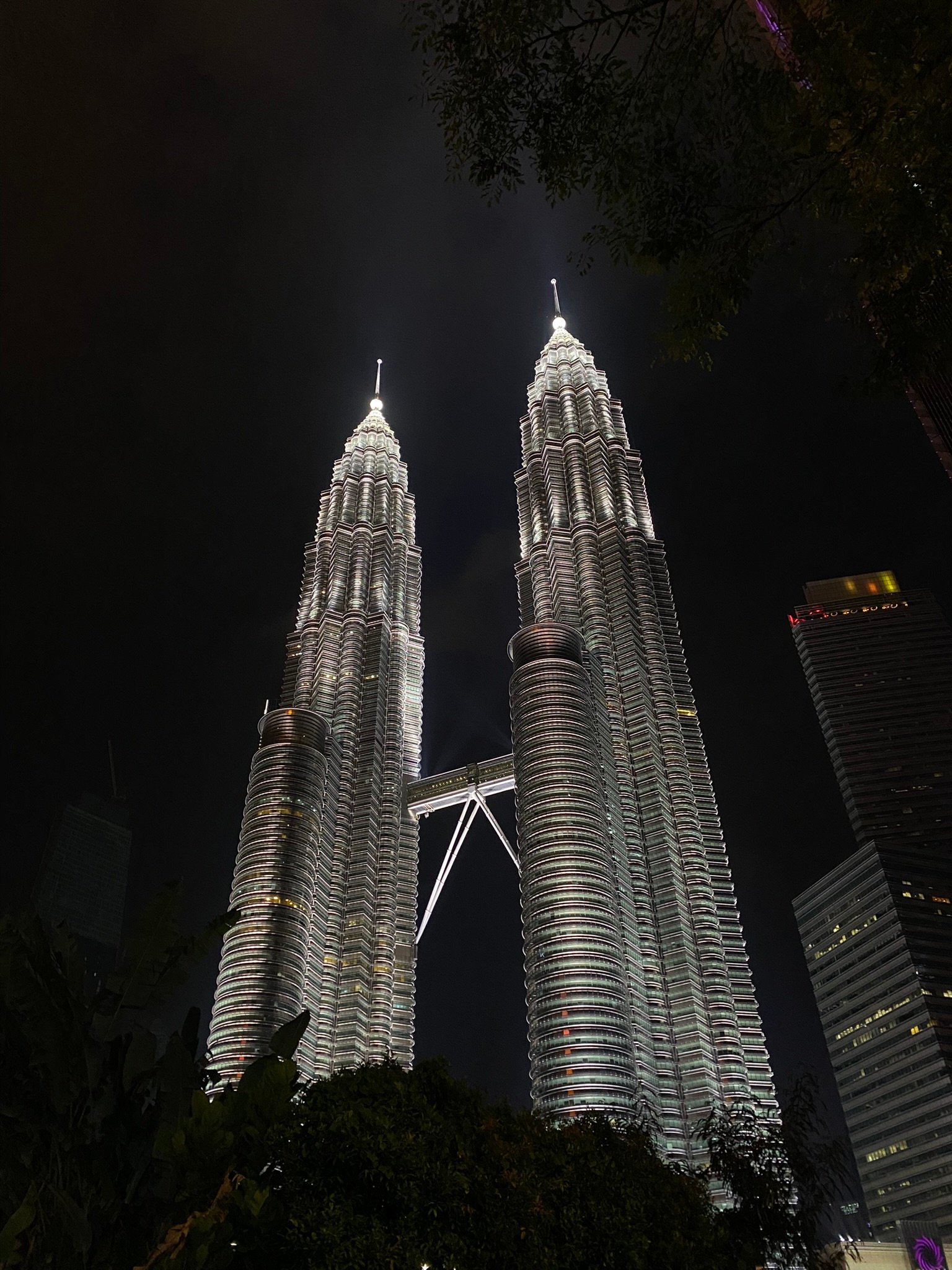
Petronas Twin Towers
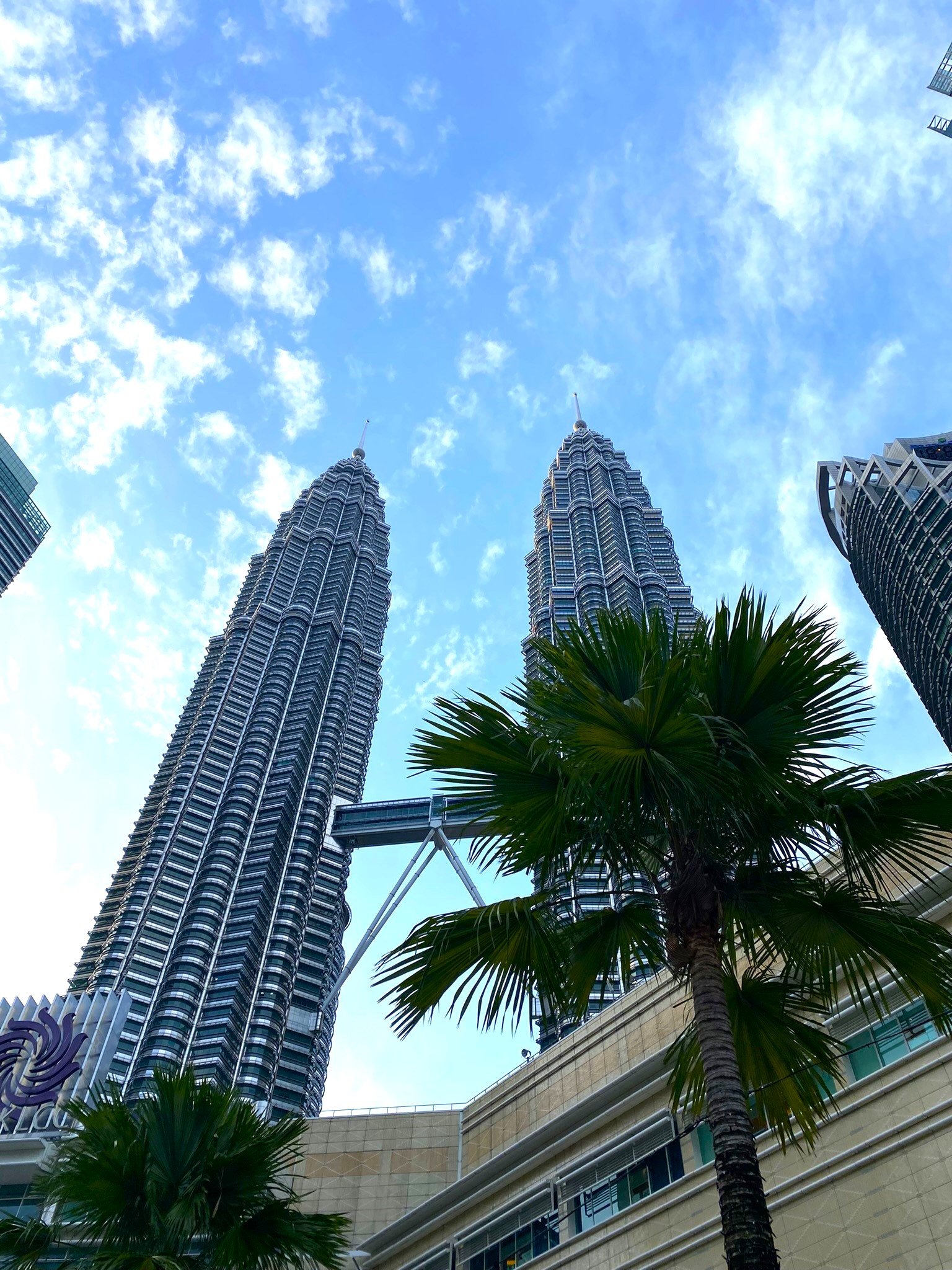
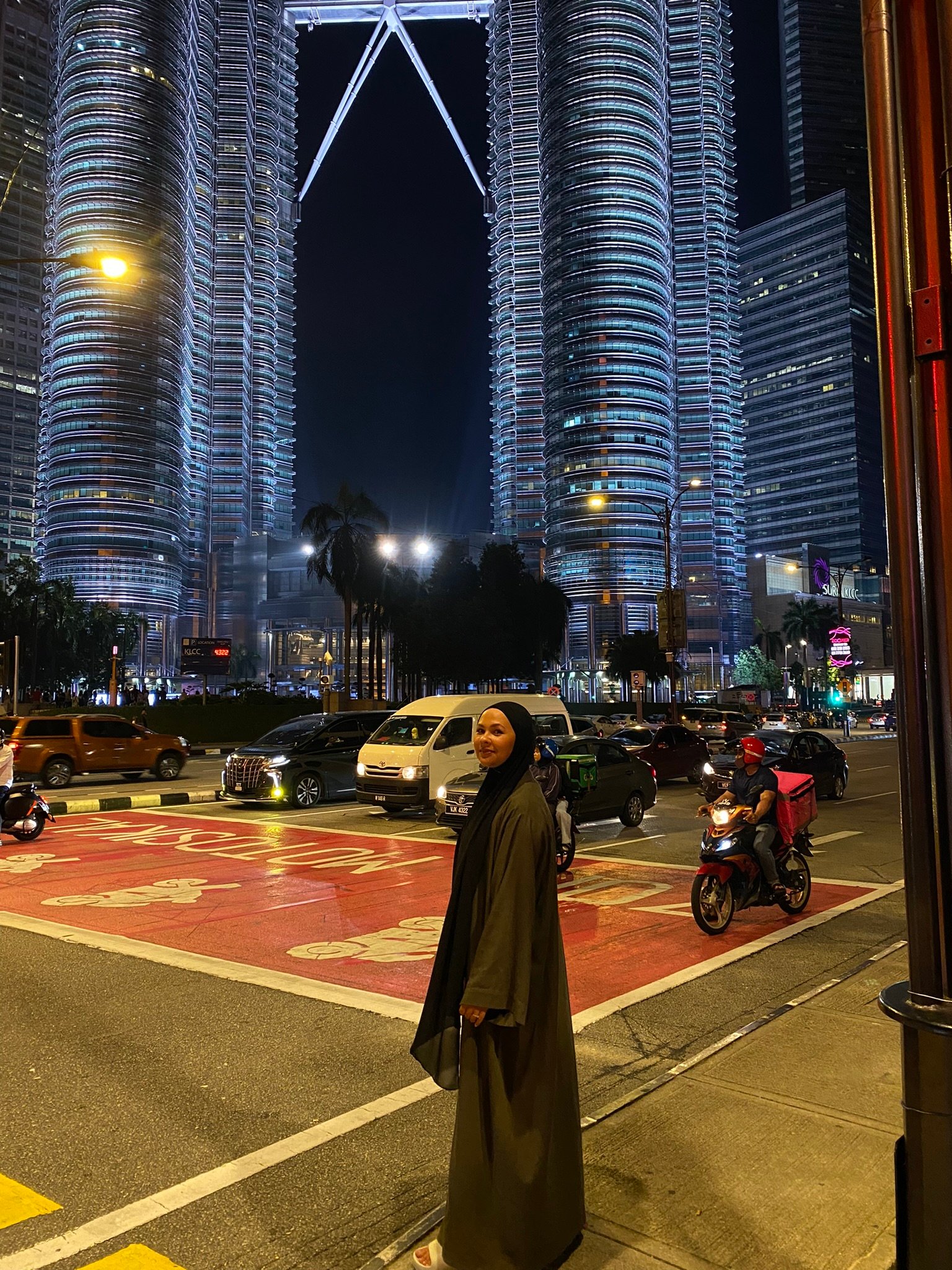
The Petronas Twin Towers are one of those sights we always enjoy seeing in Kuala Lumpur. Even if you’ve seen photos before, standing below them in real life still feels special.
You can choose to go up to the skybridge and observation deck for wide views over the city, or simply enjoy the towers from the ground. We liked combining our visit with some time at Suria KLCCmall and a walk through KLCC Park, which sits right behind the towers.
KLCC Park is calm, spacious, and very family friendly. There are play areas for kids, and in the evening, the fountain show at Lake Symphony adds a nice touch to the vibe. Visiting this area works well as an evening plan, especially if you want to combine city views, shopping, and a bit of greenery in one place. Book a tour like that here.
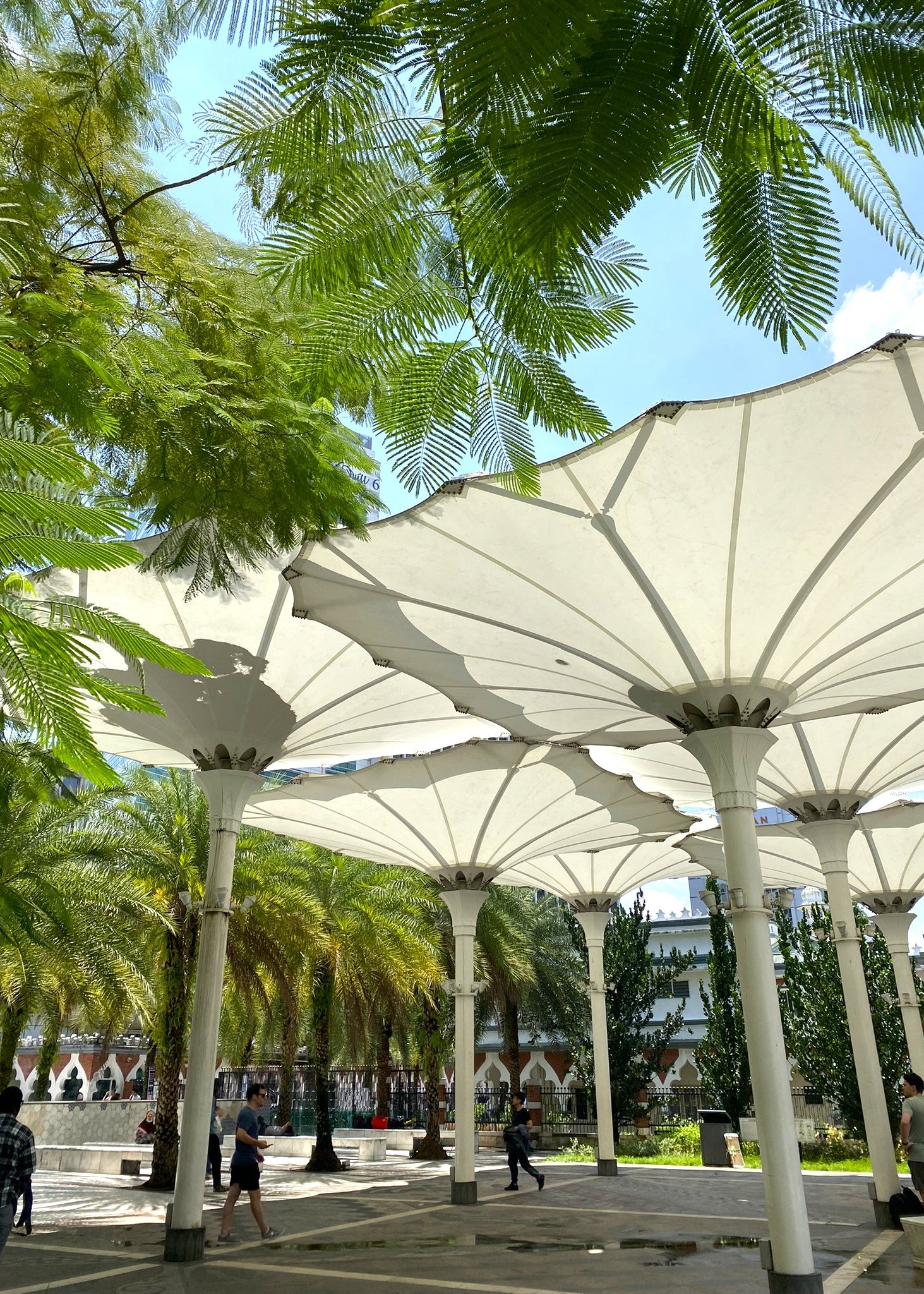
Mosques and prayer facilities were easy for us to find all around the city. Many mosques are not only places of worship, but also beautiful buildings, and we ended up turning it into a small mission to visit as many as we could.
Even when we weren’t near a mosque, praying was never a problem. Most shopping malls, airports, and major attractions have prayer rooms, known as surau. This made it easy for us to continue exploring Kuala Lumpur without having to plan our day around prayer times.
Masjid Negara (National Mosque of Malaysia)
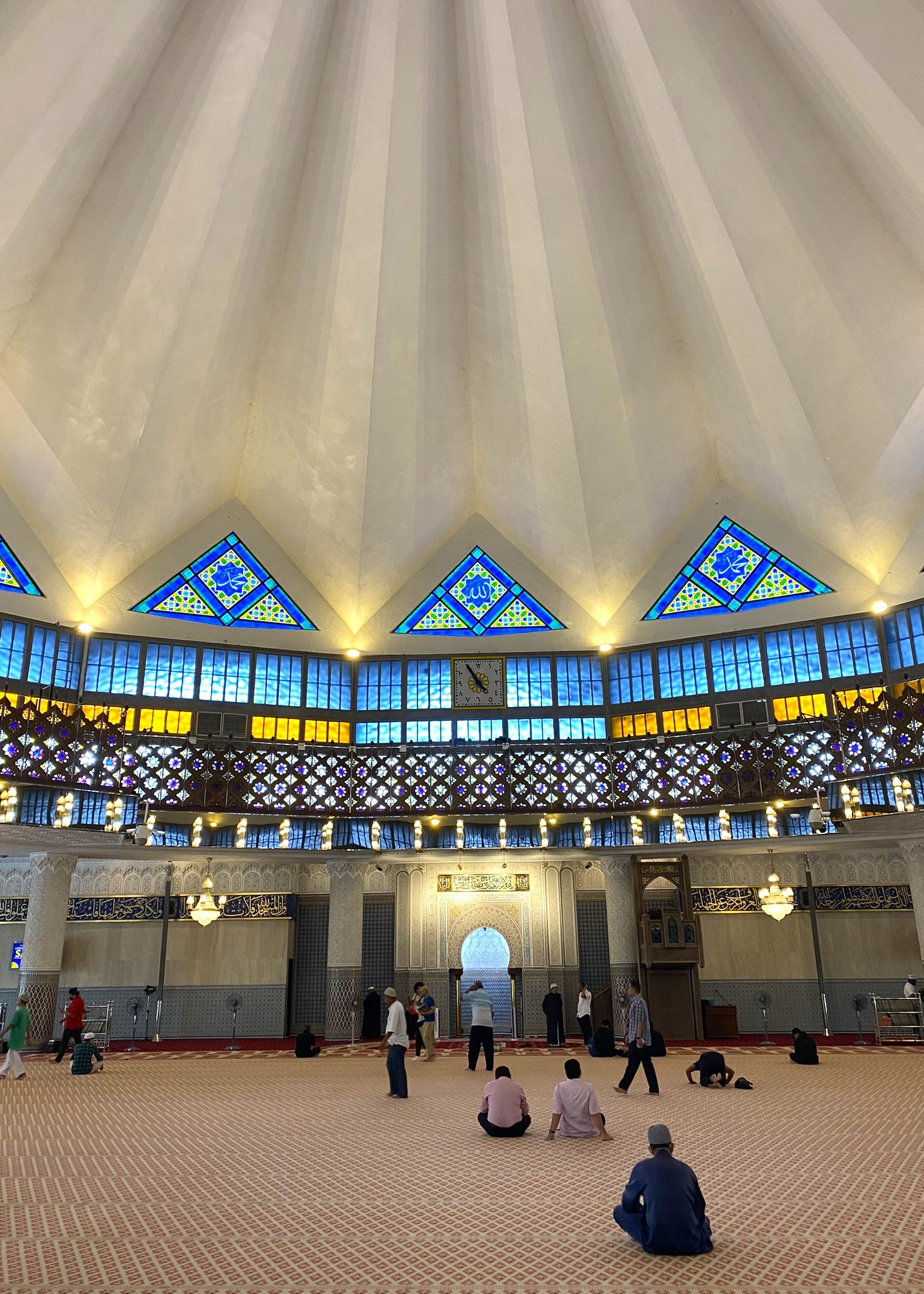
The National Mosque, is the most important mosque in Kuala Lumpur and one of the most impressive in Southeast Asia. Built in 1965 to commemorate Malaysia’s independence, the mosque symbolizes the country’s Islamic identity and national pride.
Masjid Jamek Sultan Abdul Samad
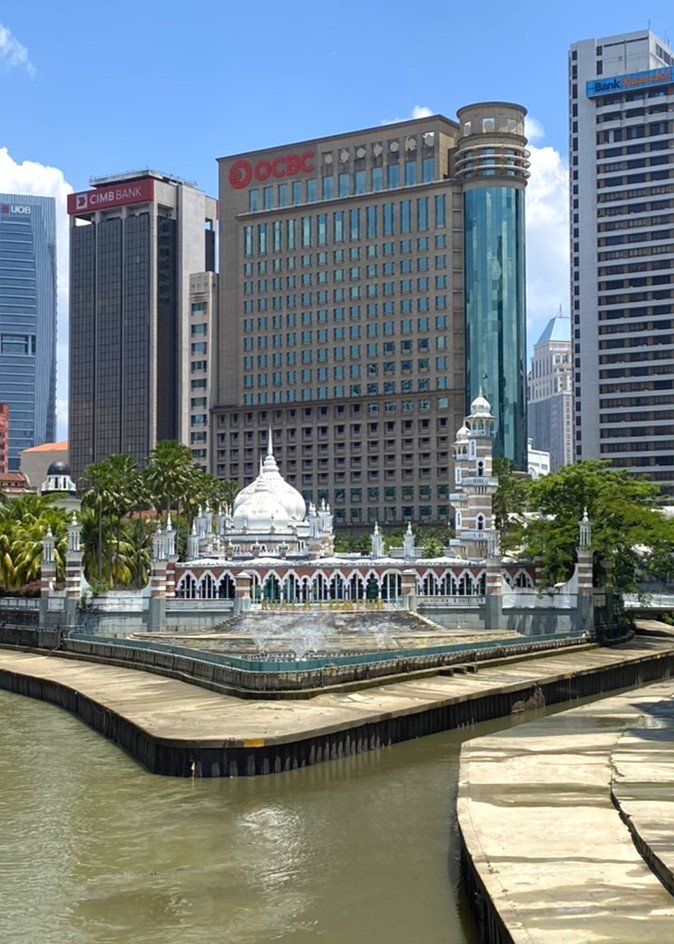
Masjid Jamek is one of the oldest mosques in Kuala Lumpur and holds great historical significance. It is located at the exact spot where the city was founded, at the meeting point of the Klang and Gombak rivers. Located only a few minutes from Chinatown so it’s easy to combine them.
Masjid Sultan Salahuddin Abdul Aziz
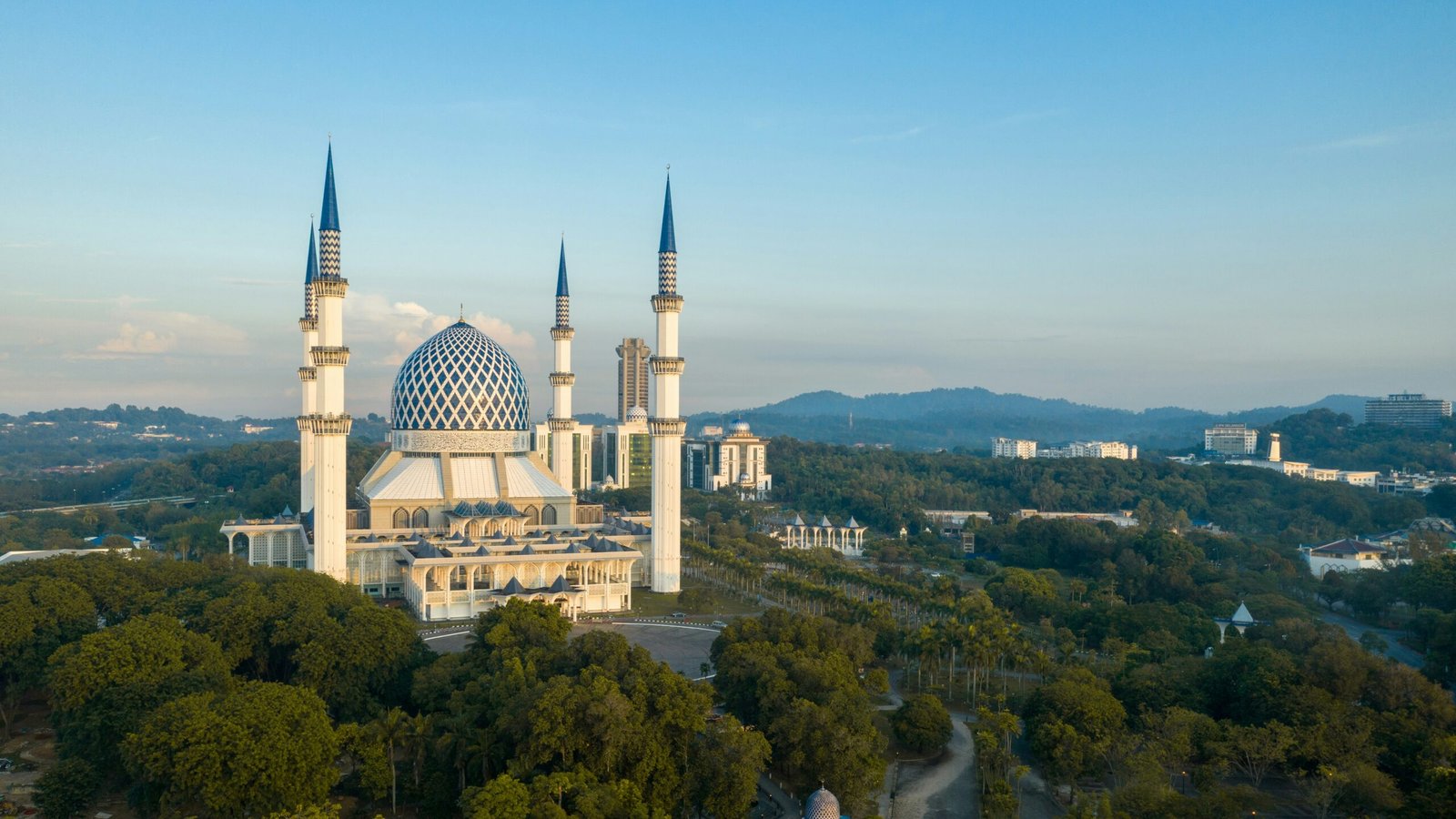
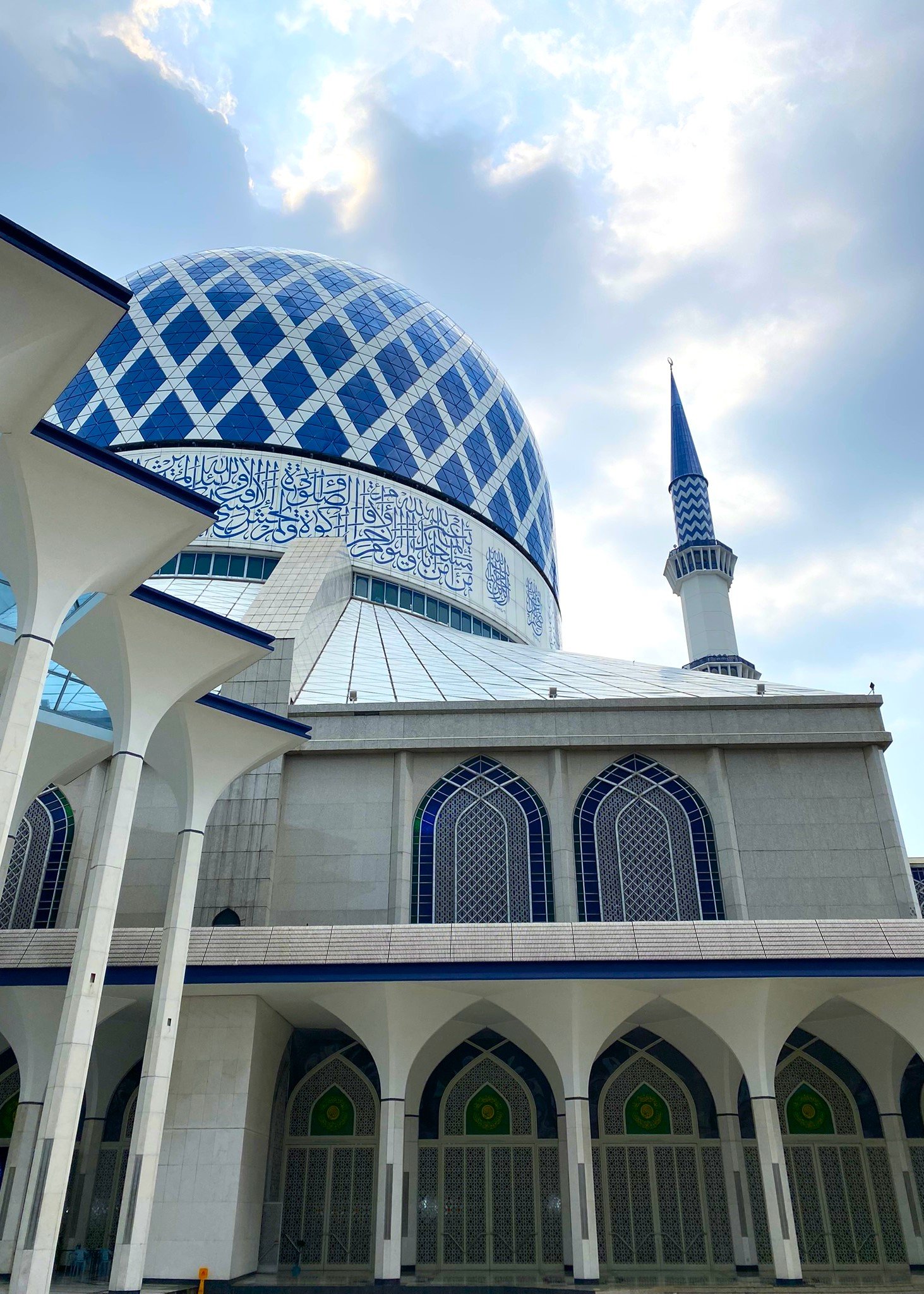
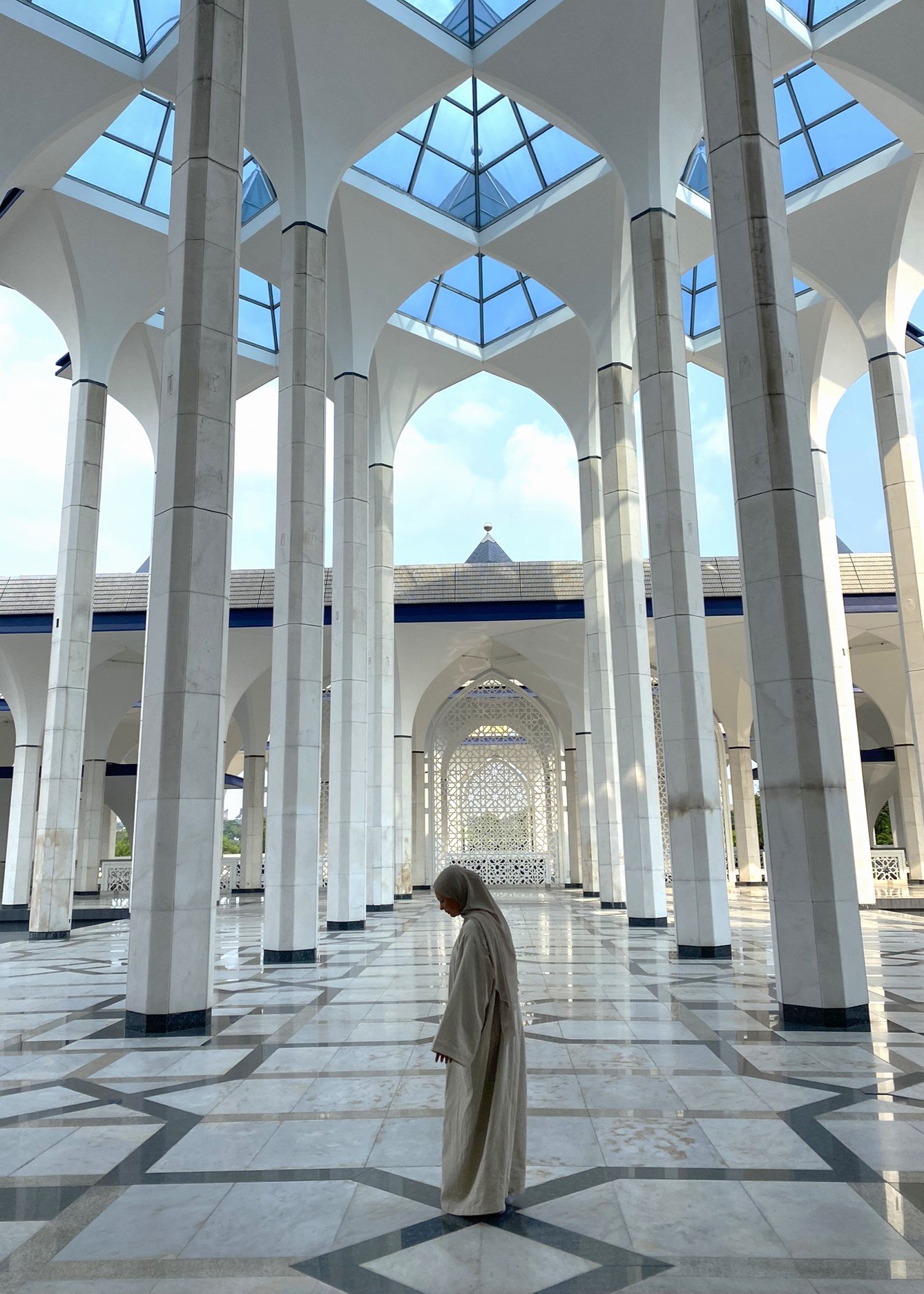
Also known as the Blue Mosque, it’s the largest mosque in Malaysia and one of the most impressive in Southeast Asia. Located in Shah Alam, just outside Kuala Lumpur, it is famous for its massive blue dome and four sky high minarets, visible from kilometers away. The mosque can accommodate up to 24,000 worshippers and tourists can get a free guide and short lesson on Islam.
Masjid Wilayah Persekutuan (Federal Territory Mosque)
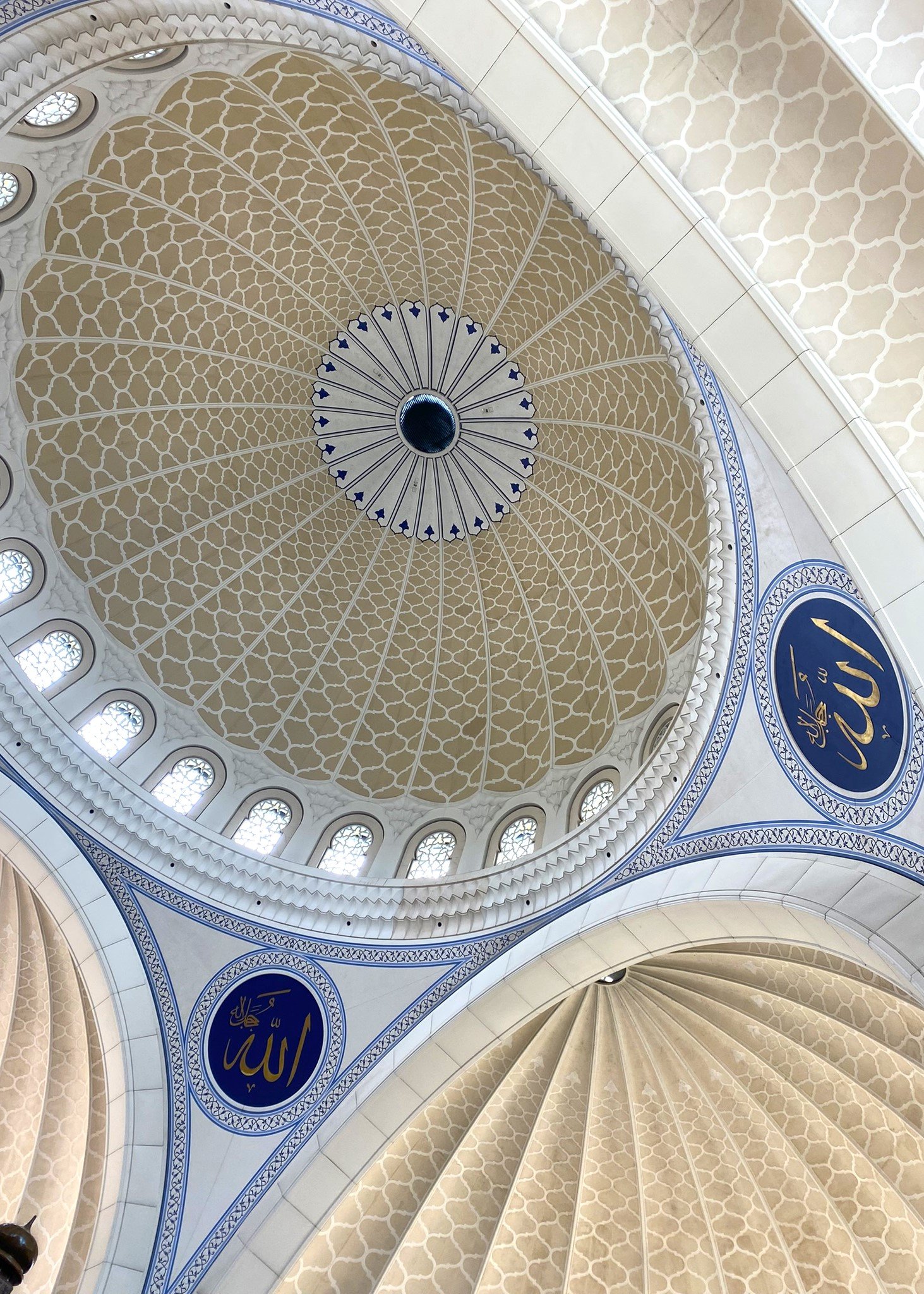
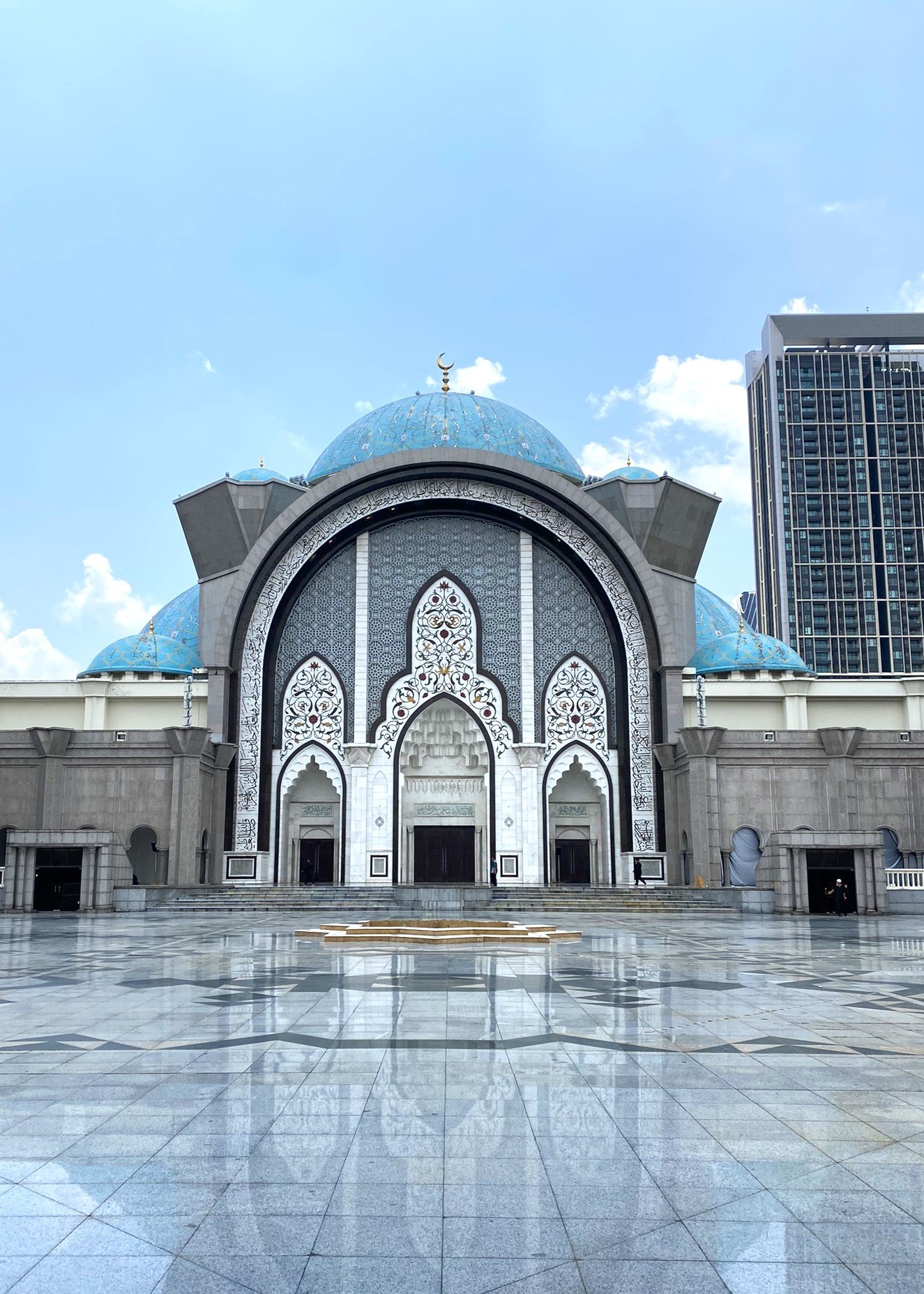
The Federal Territory Mosque’s design is inspired by Ottoman and Middle Eastern architecture, with large blue domes, elegant arches, and beautiful gardens surrounding the complex. It’s often compared to the famous Blue Mosque of Istanbul.
KLCC Mosque (Asy-Syakirin Mosque)
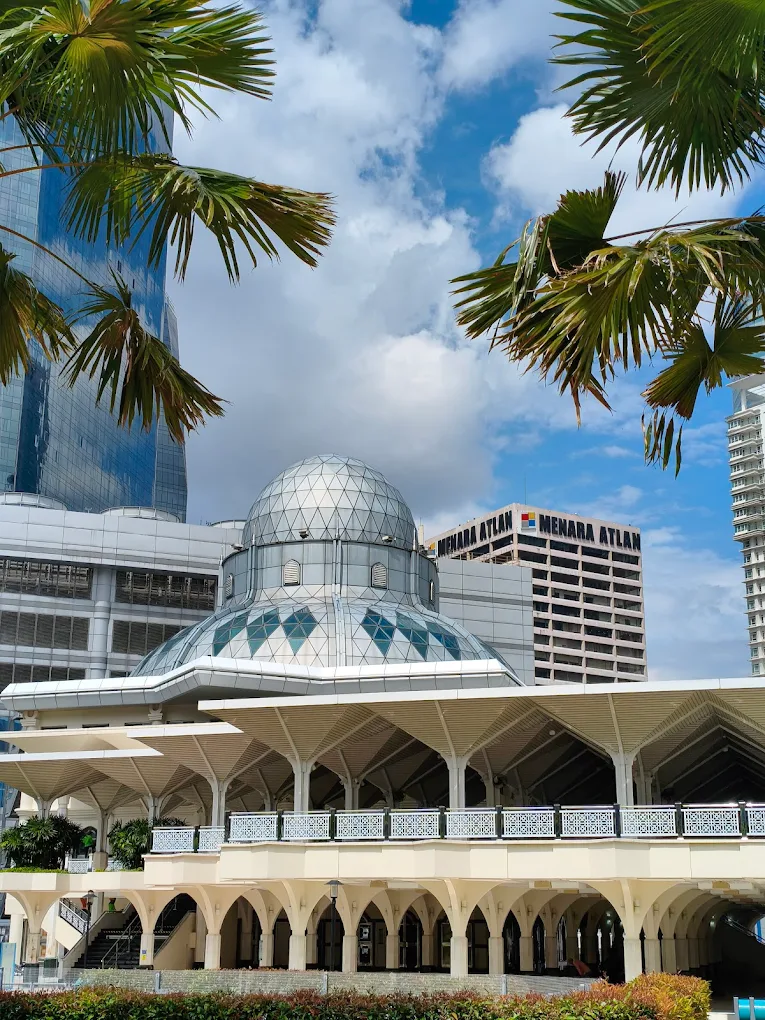
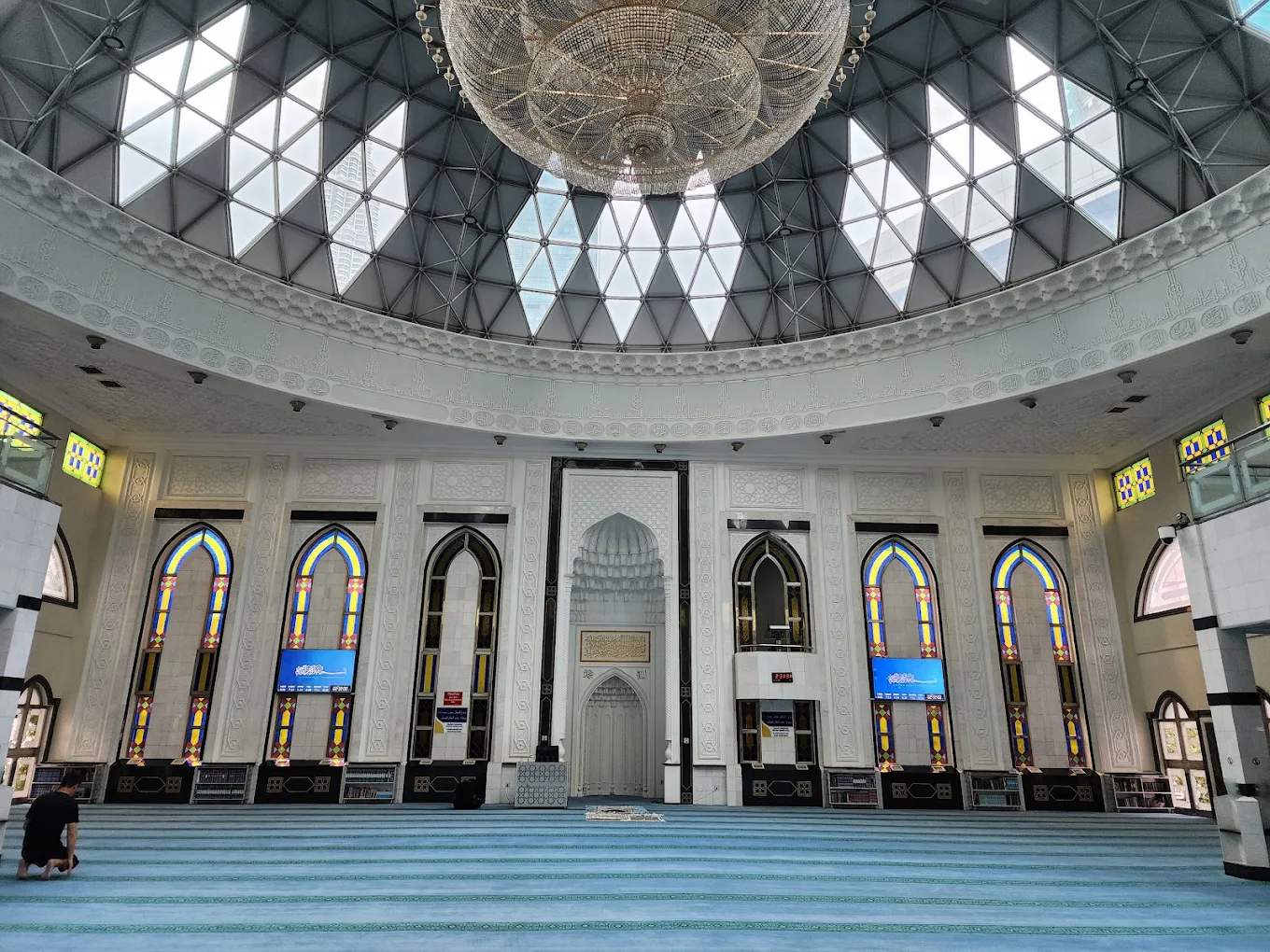
Located right next to the famous Petronas Twin Towers, Asy-Syakirin Mosque was one of the most convenient mosques for us when visiting the KLCC area. This mosque serves both locals and tourists who spend their time shopping, walking in KLCC Park, or exploring the city center.
Just outside the city you have Putrajaya, which is the administrative capital of the country, but also home to the most iconic mosques. Only a 35 min drive with Grab or public bus.
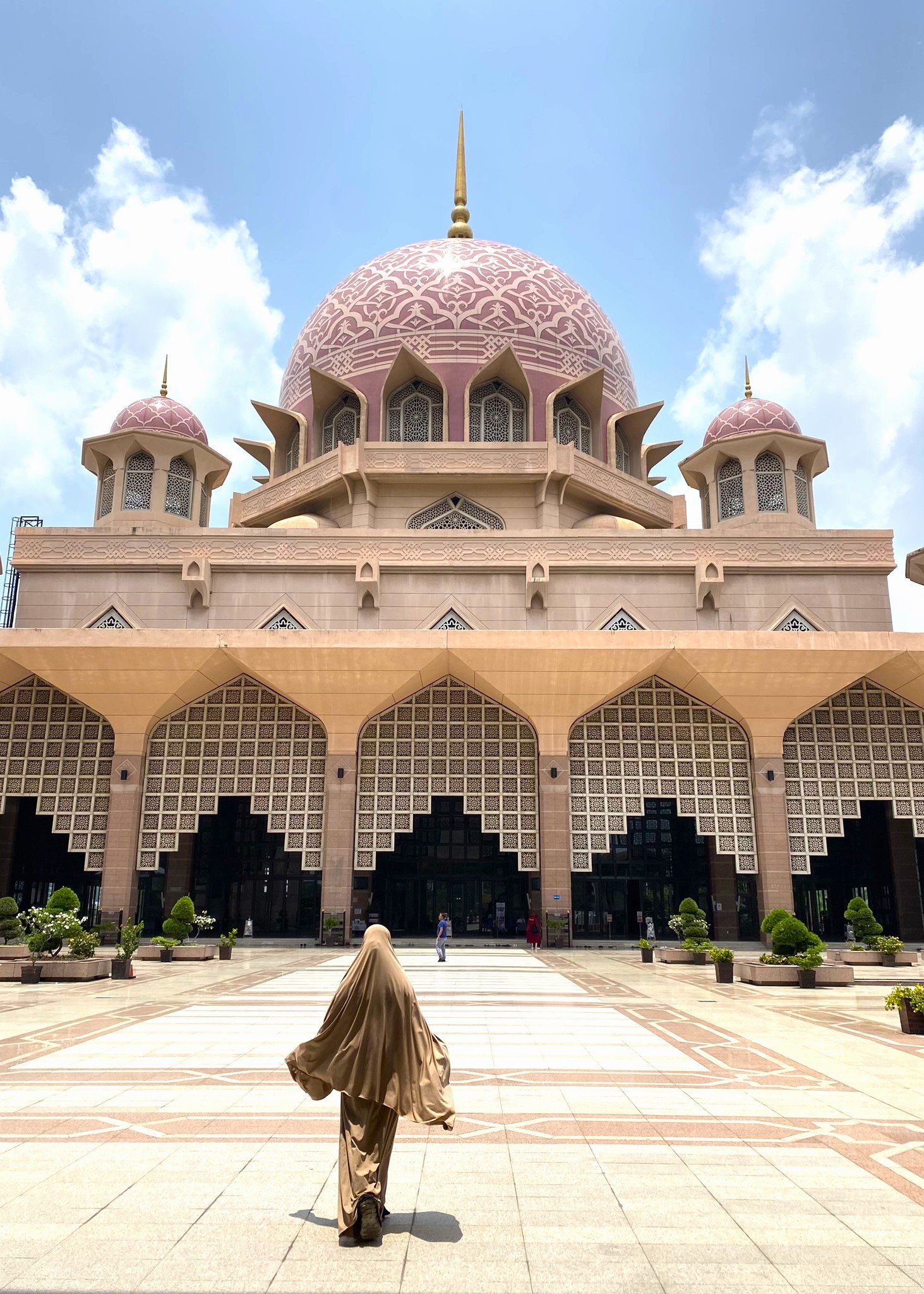
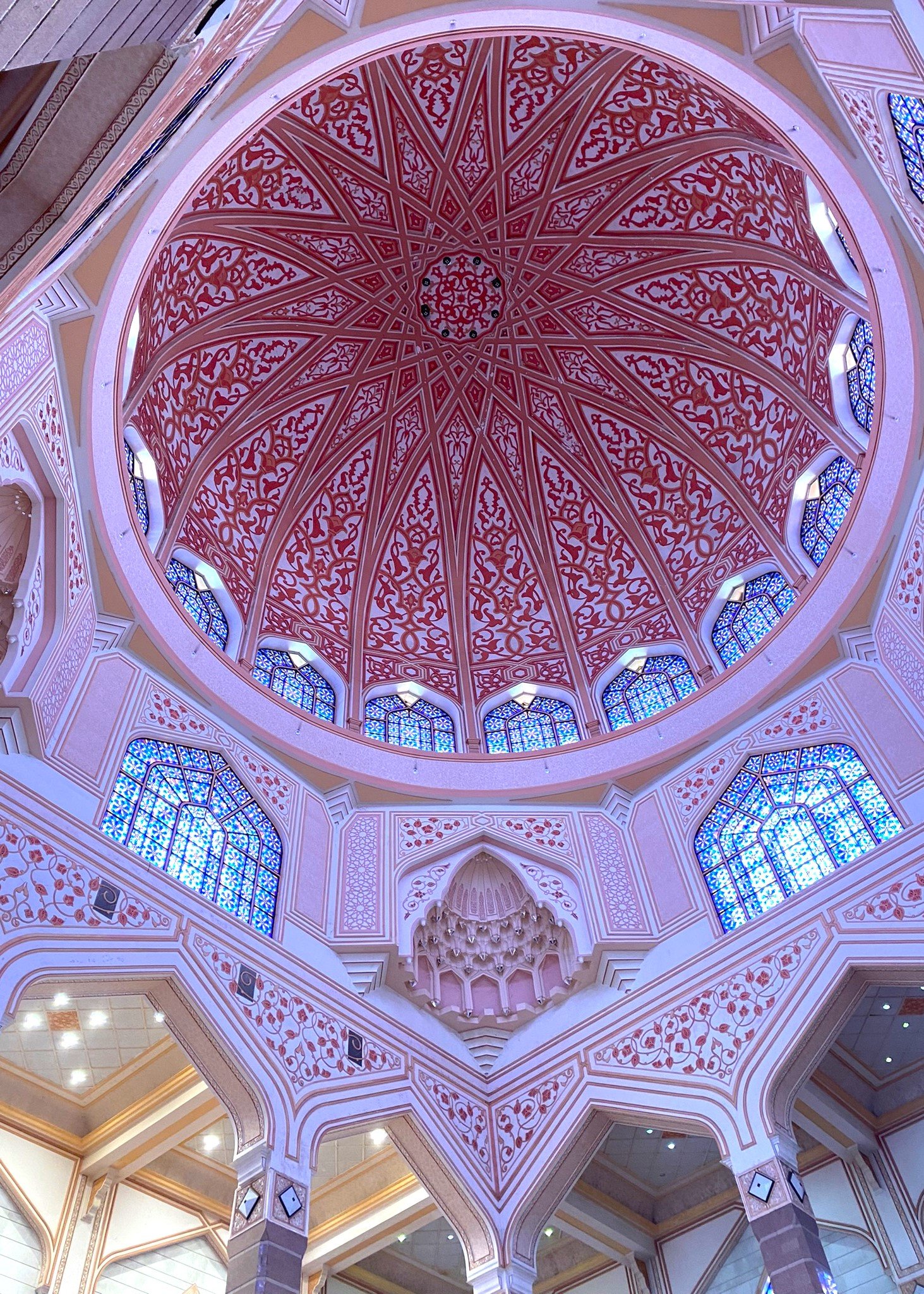
Pink Mosque (Masjid Putra)
A beautiful blend of pink granite architecture, Persian inspired design and modern functionality, located peacefully next to a calm lake, symbolizing Malaysia’s harmony of tradition and progress.
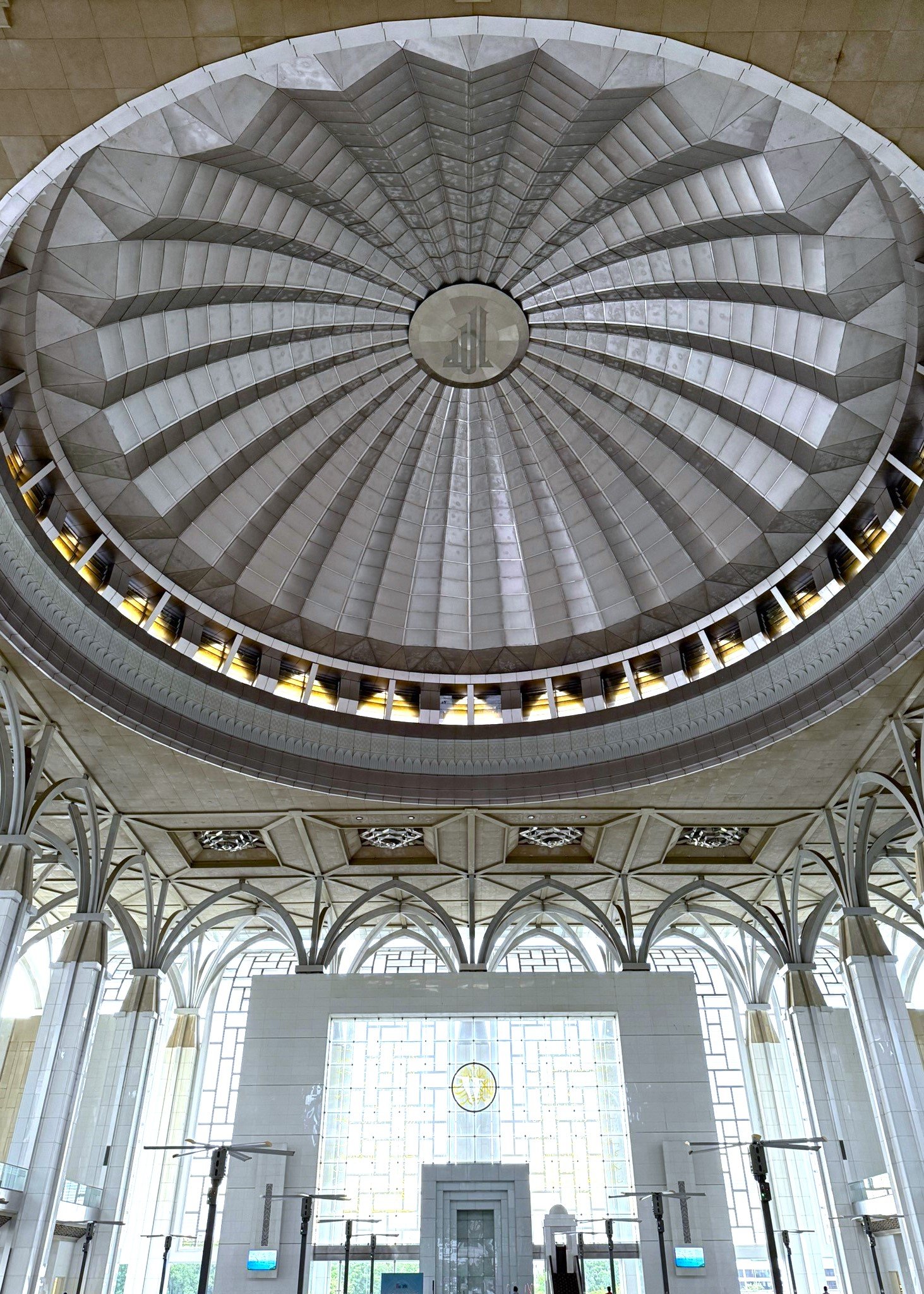
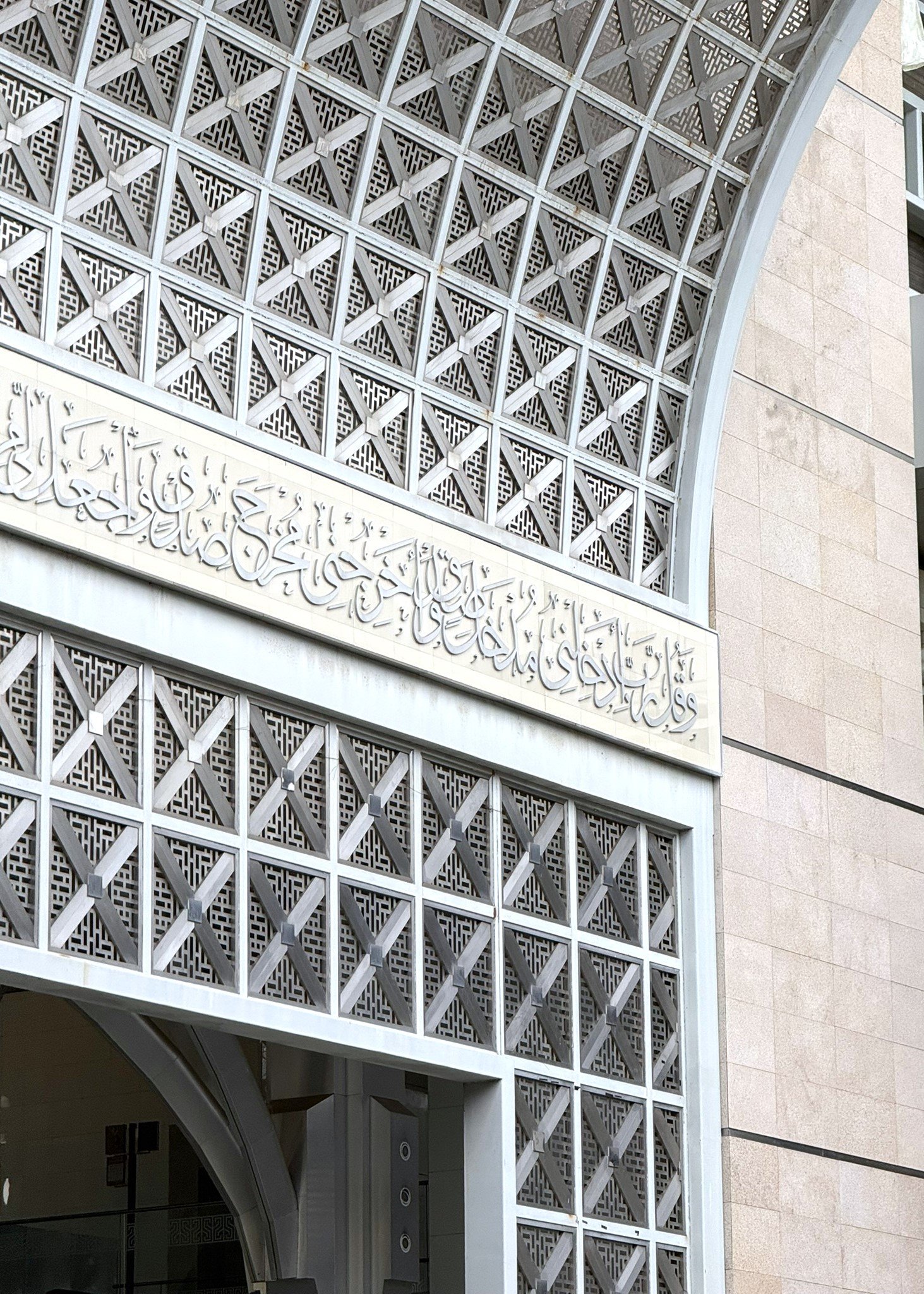
Iron Mosque (Masjid Besi)
Approximately 70% of the structure uses steel, earning its “Iron Mosque” nickname, along with glass elements for a contemporary look, this mosque offers serene lakeside views, especially at sunset.
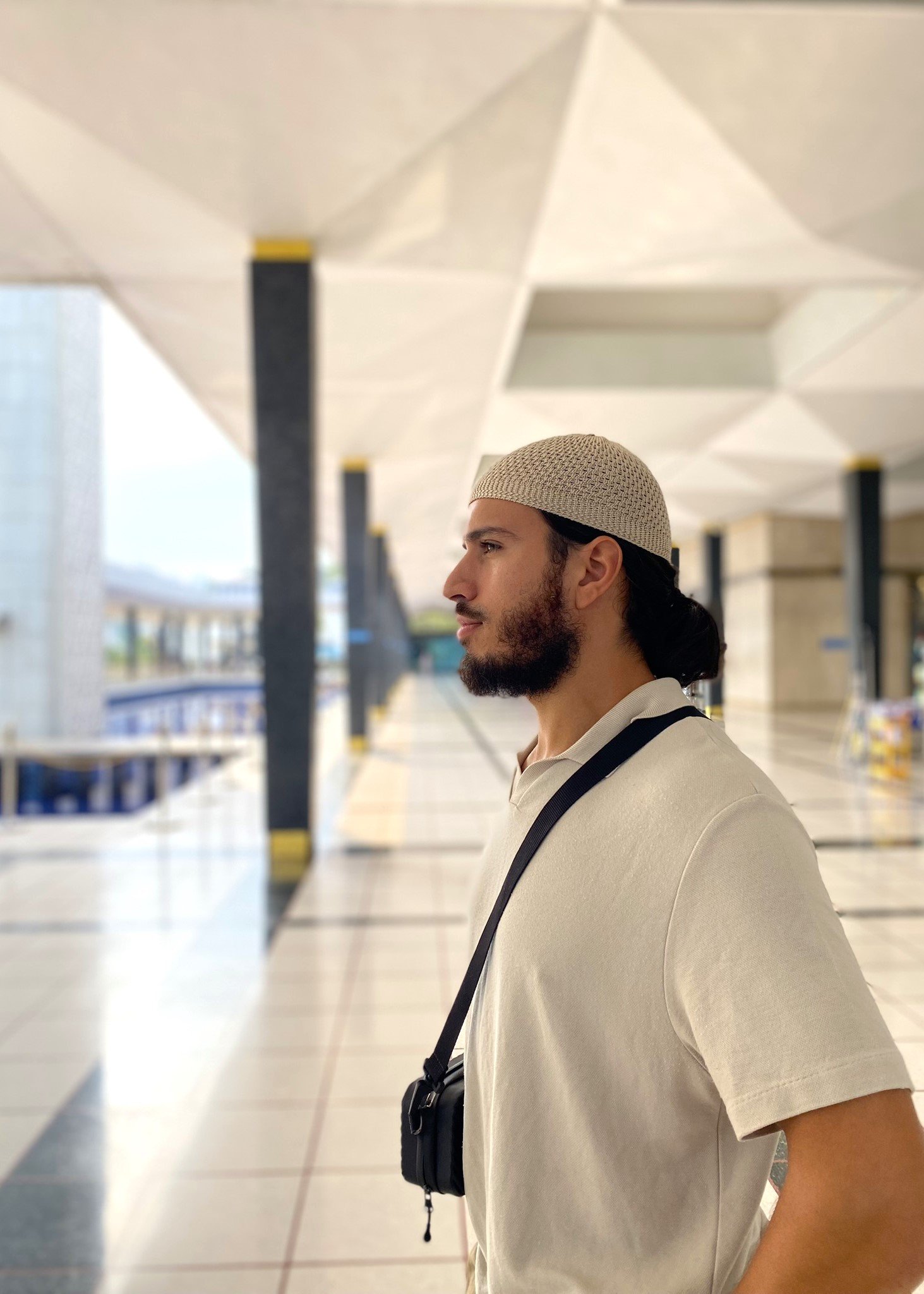
It’s a beautiful thing that most mosques are open to visitors of all backgrounds. Appropriate clothing like thobes is almost always available for tourists to be able to enter the mosques and take pictures.
Our favorite halal restaurants in Kuala Lumpur
Kuala Lumpur is a true paradise for halal food lovers. We found halal food everywhere from street food to fine dining. Many restaurants are officially halal-certified, and even non-Muslim establishments often clearly indicate if their food is non-halal. International food chains in Kuala Lumpur are also usually halal-certified, which makes dining stress-free for Muslim travelers. Popular food areas are Jalan Alor (halal sections) which is famous for street food. Bukit Bintang has lots of cafés, dessert spots, and international halal cuisine. Chowkit is a trendy area with many cafés and good food spots. Kampung Baru is a street full of local traditional Malay food and street food.
These are our favorite food spots:
Breakfast and lunch café’s
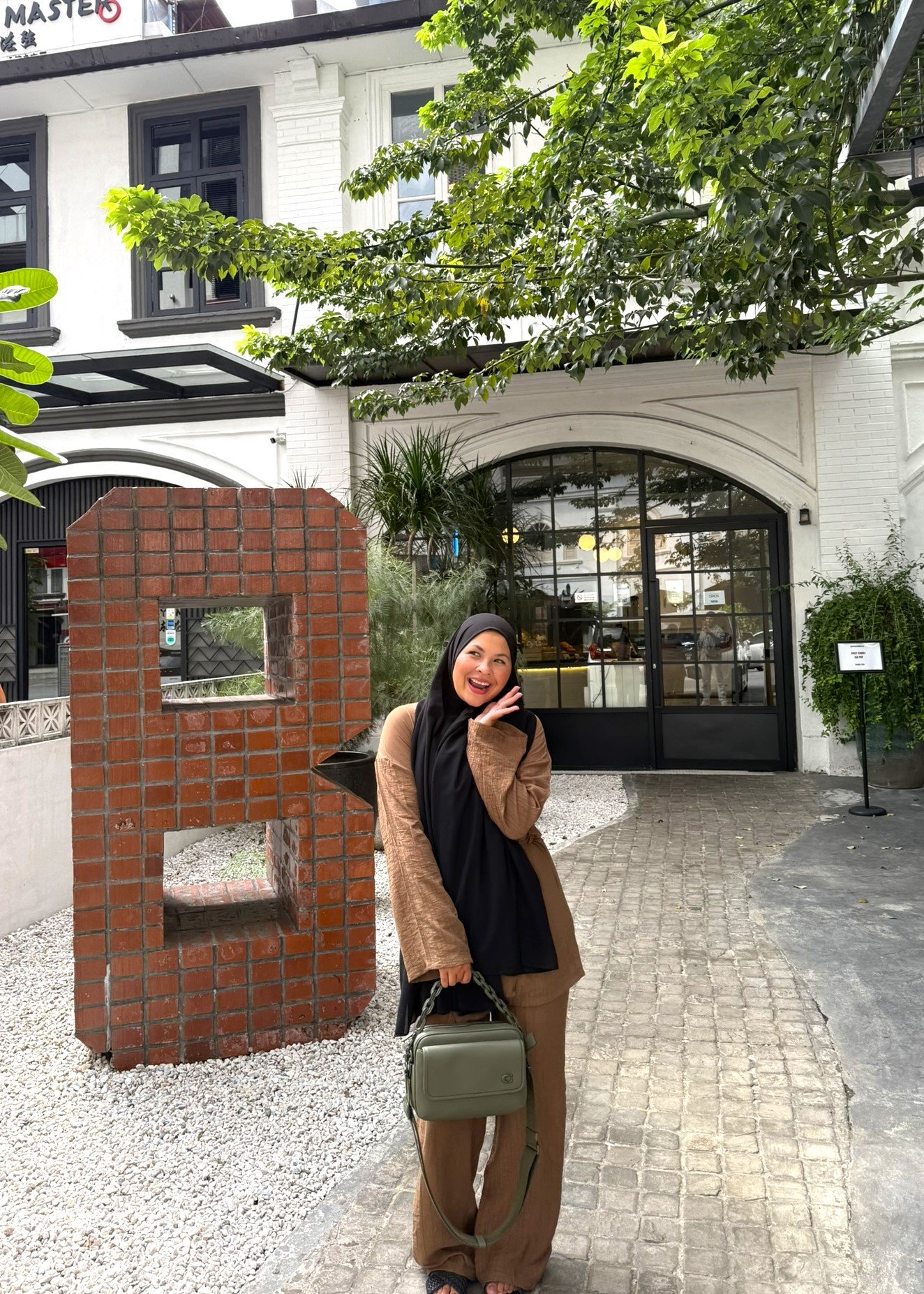
Bricks and Bread KL – Located in Chowkit, great place for breakfast and lunch.
Feeka – Cozy café in Bukit Bintang known for great coffee and all-day brunch.
VCR – Trendy café famous for specialty coffee and creative brunch dishes.
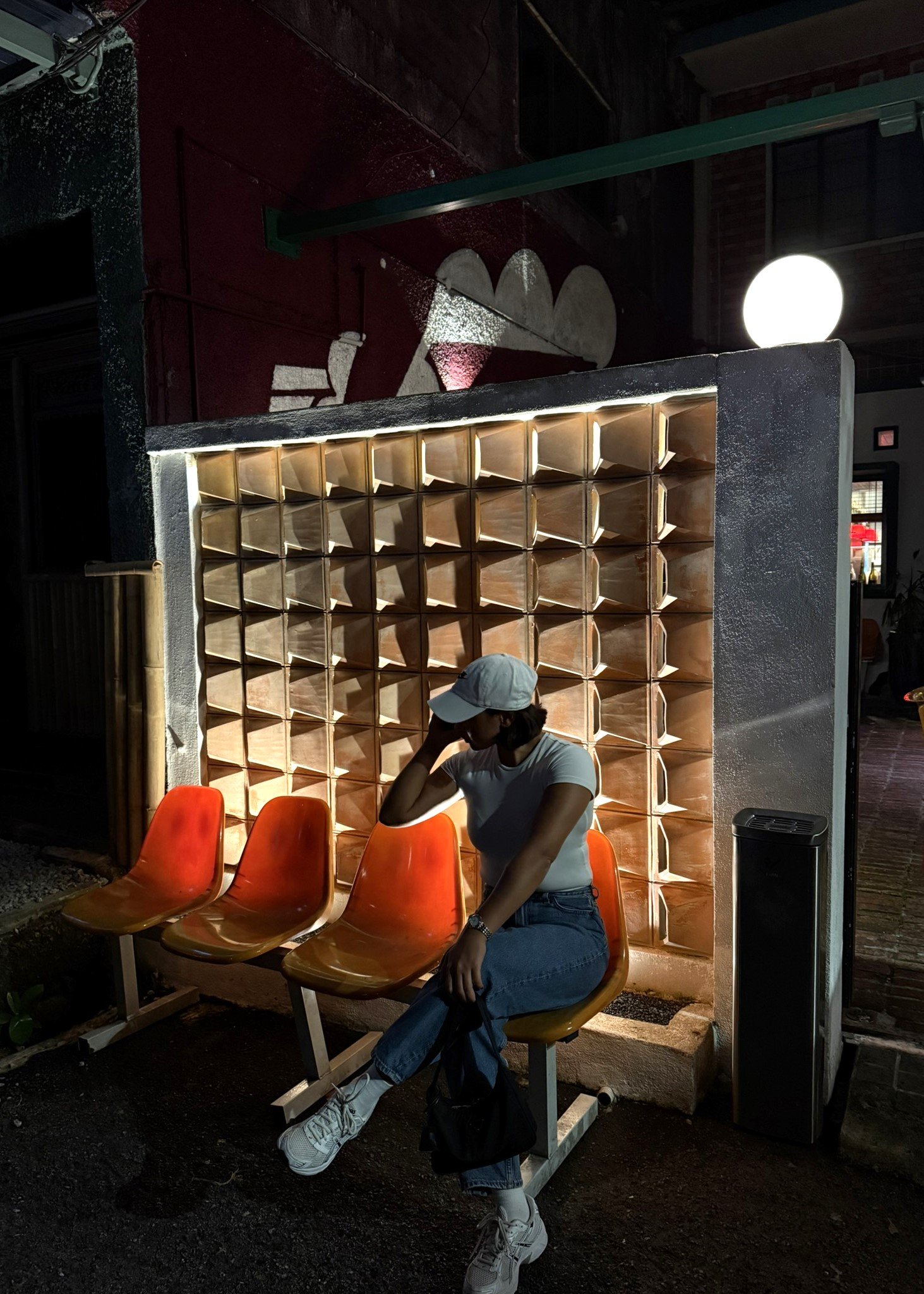
Silverfox Café – A unique design and aesthetic café in the heart of Chowkit.
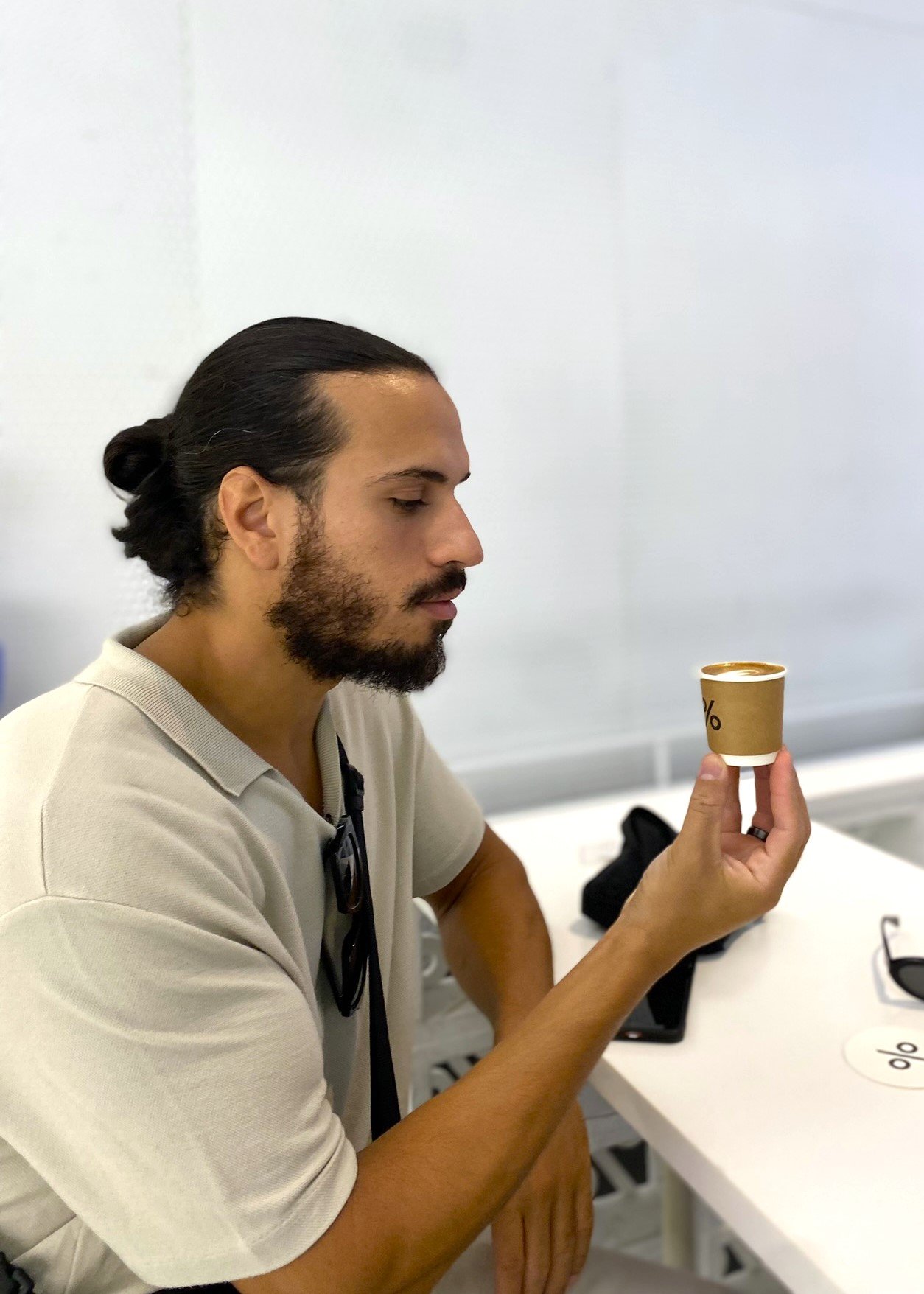
Arabica– Our all-time favorite lattes located in Pavillion Mall and TRX.
CookieCrumbs – Best cookies in town found in Petaling Street.
Asian
The Tokyo Restaurant– Upscale dining for great prices and the BEST basque cheesecake. Located on 5th floor of Lot10 Mall in Bukit Bintang. (Alcohol is served here.)
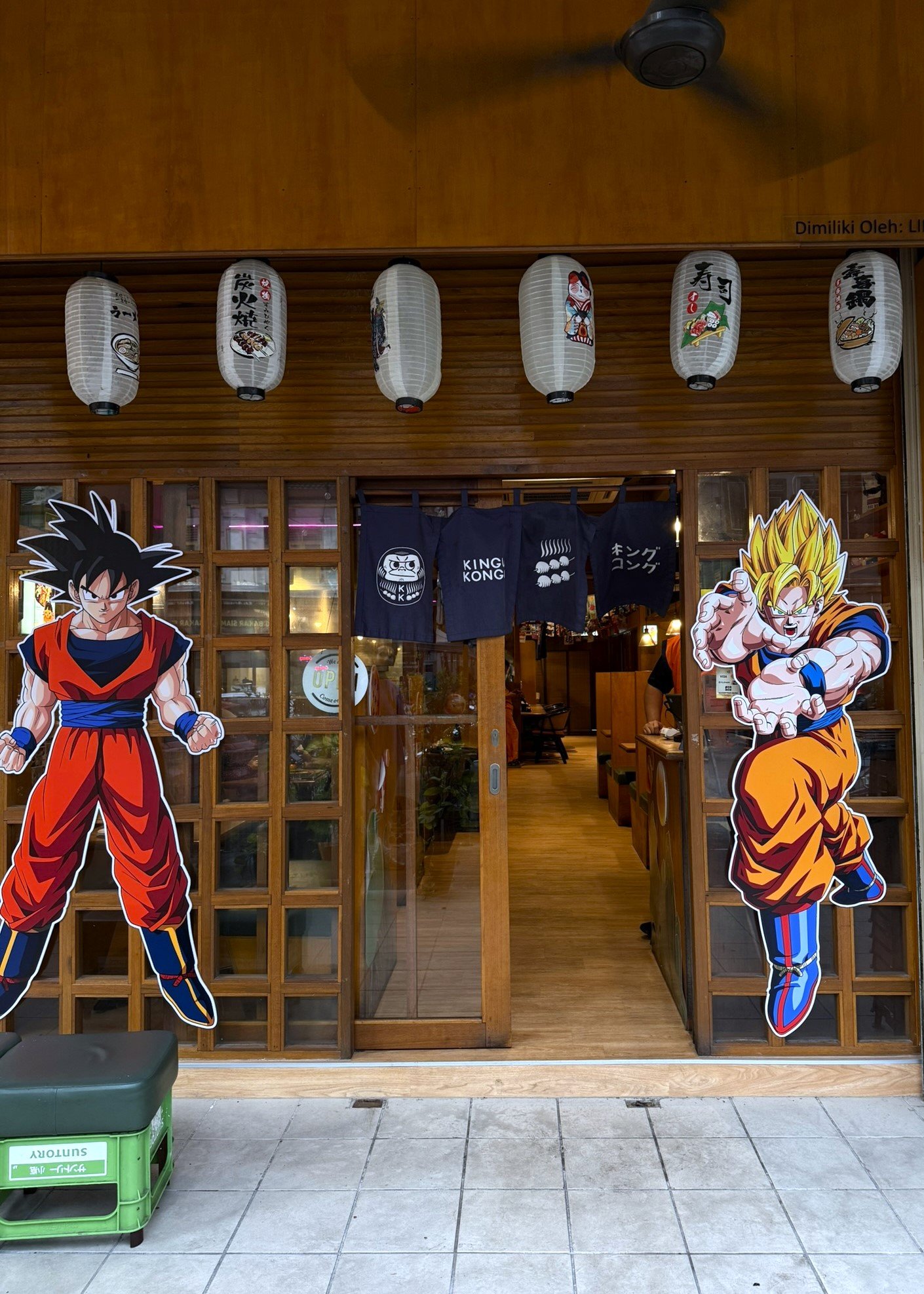
Kingu Kongu – Fun DragonballZ themed sushi restaurant in Chowkit with great value for money.
Jibby Chow – A modern halal-friendly Chinese-style restaurant with a Malaysian twist in a modern setting.
KafeiDian – A popular café known for its local Malay dishes located in a beautifully restored colonial-style shophouse. Their nasi lemak is a refined version of the national dish.
Western
Damascus – We basically ordered a shawarma every other day (addiction risk). Located in Bukit Bintang.
Shake Shack – Probably the best burger place, located on the rooftop park of TRX Mall.
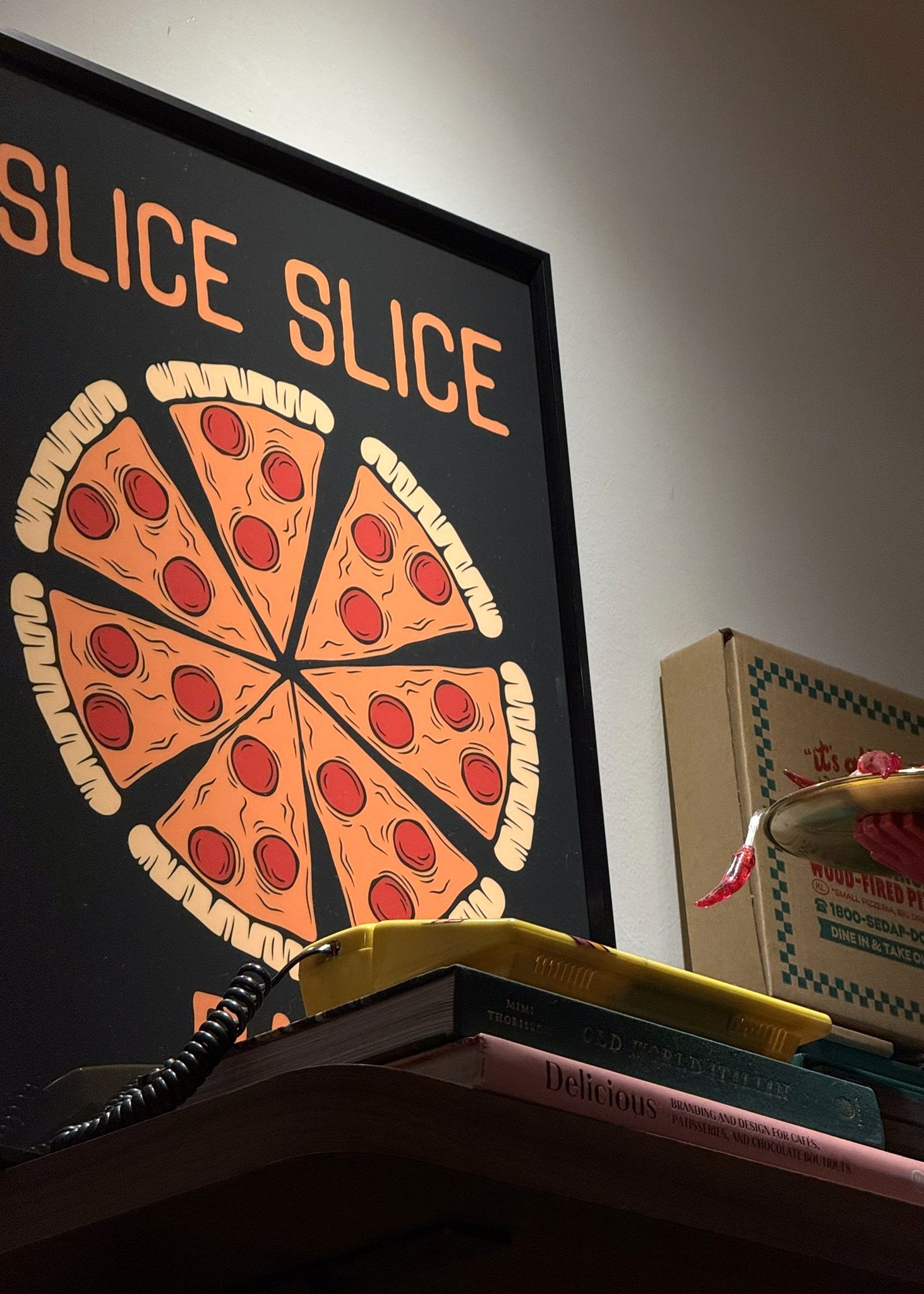
Pizza Mansion – Honestly, great pizzas that are made very fast in Bukit Bintang. Their pasta’s are also delicious.
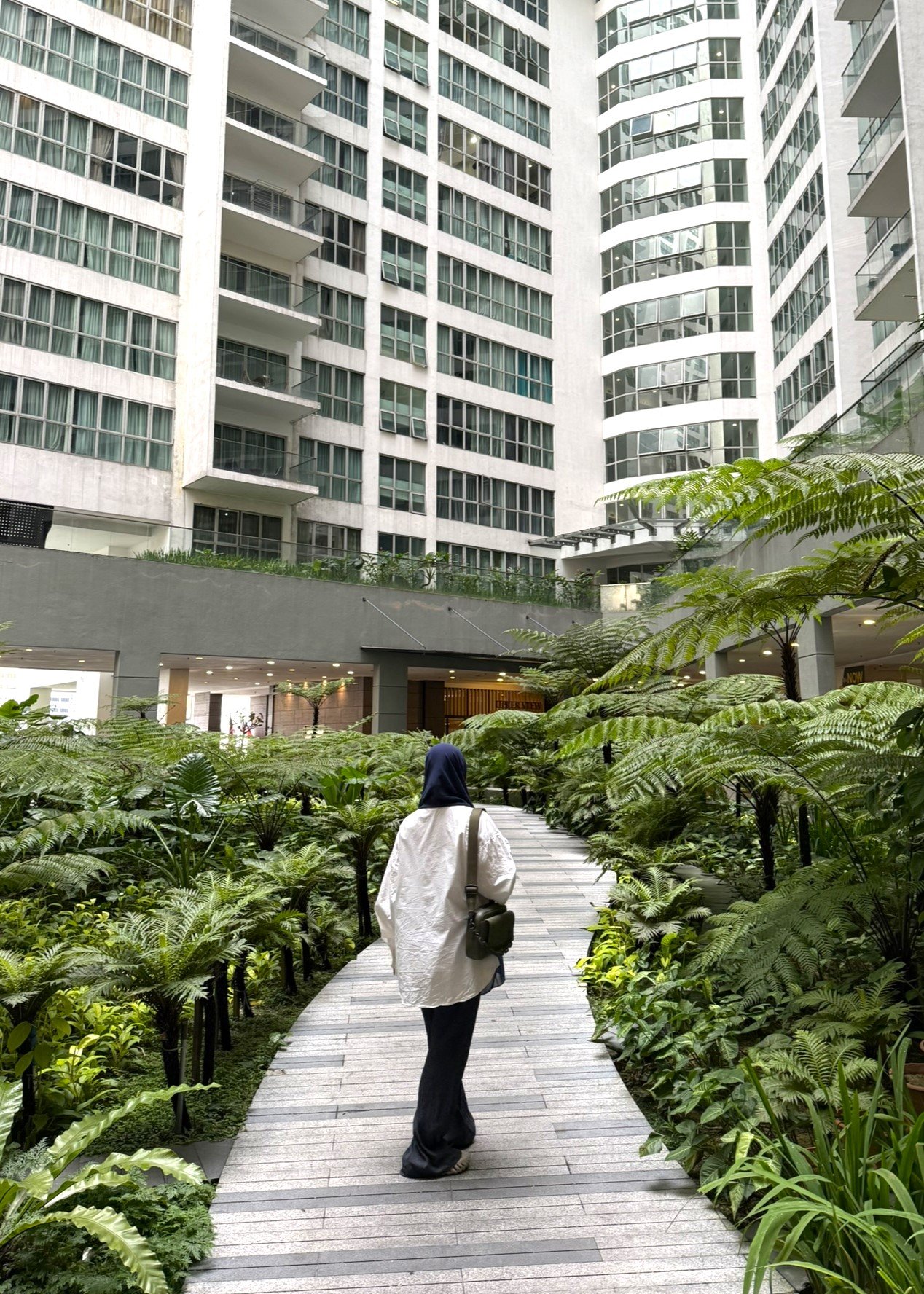
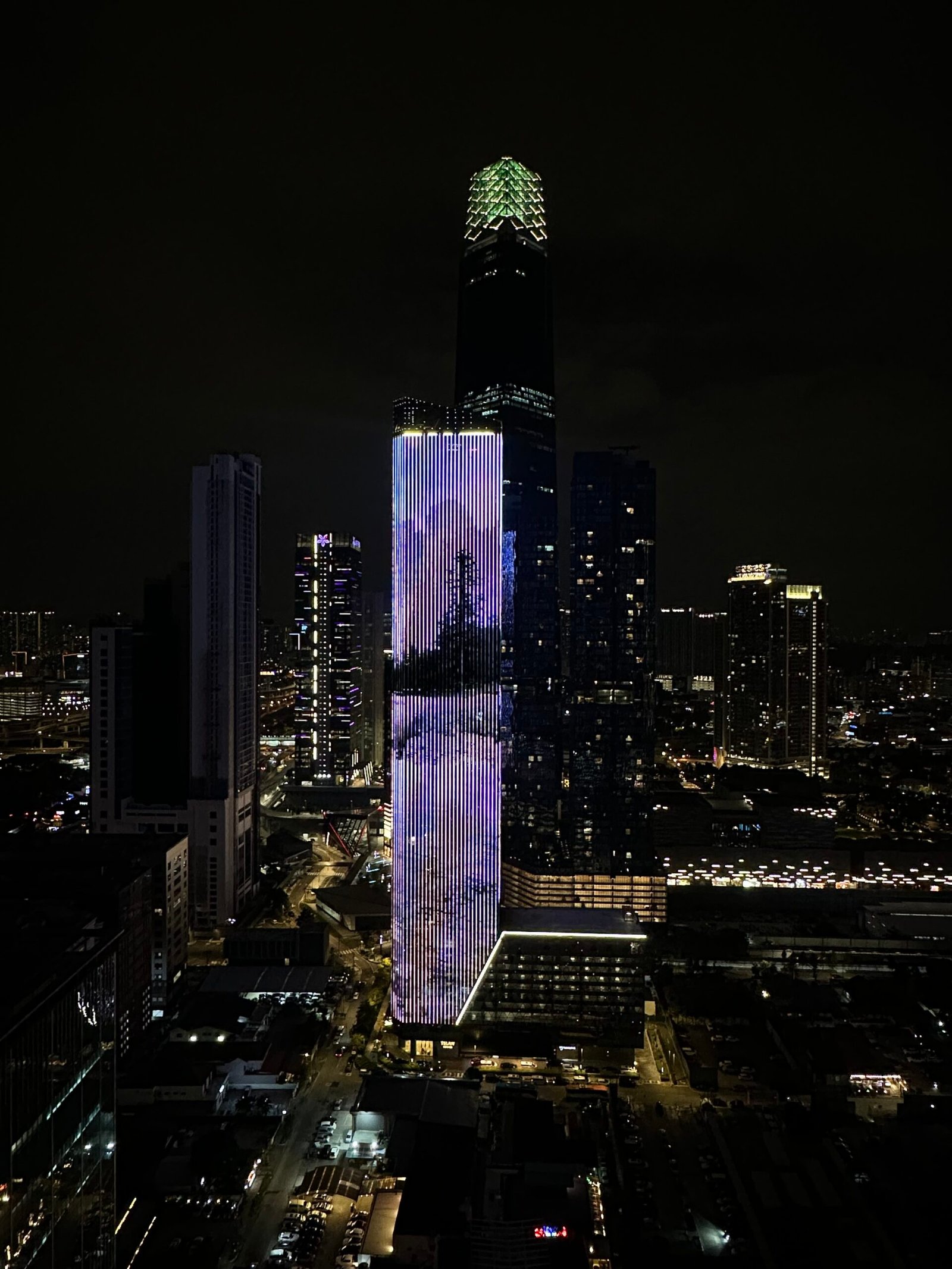
Kuala Lumpur offers accommodation for every budget, from luxury hotels to affordable stays. We found the best area to stay being in or between KLCC and Chowkit. Closer to KLCC for more luxury stays and city views and in Chowkit if you want a quieter, trendy area with cafés and restaurants, mall, and a good connection of the sky train. In this area we rented an apartment in The Colony building on Airbnb. We surprisingly had great views of the twin towers, a rooftop infinity pool with even better views and a gym. Check out our video to know the price (it’s cheap)!
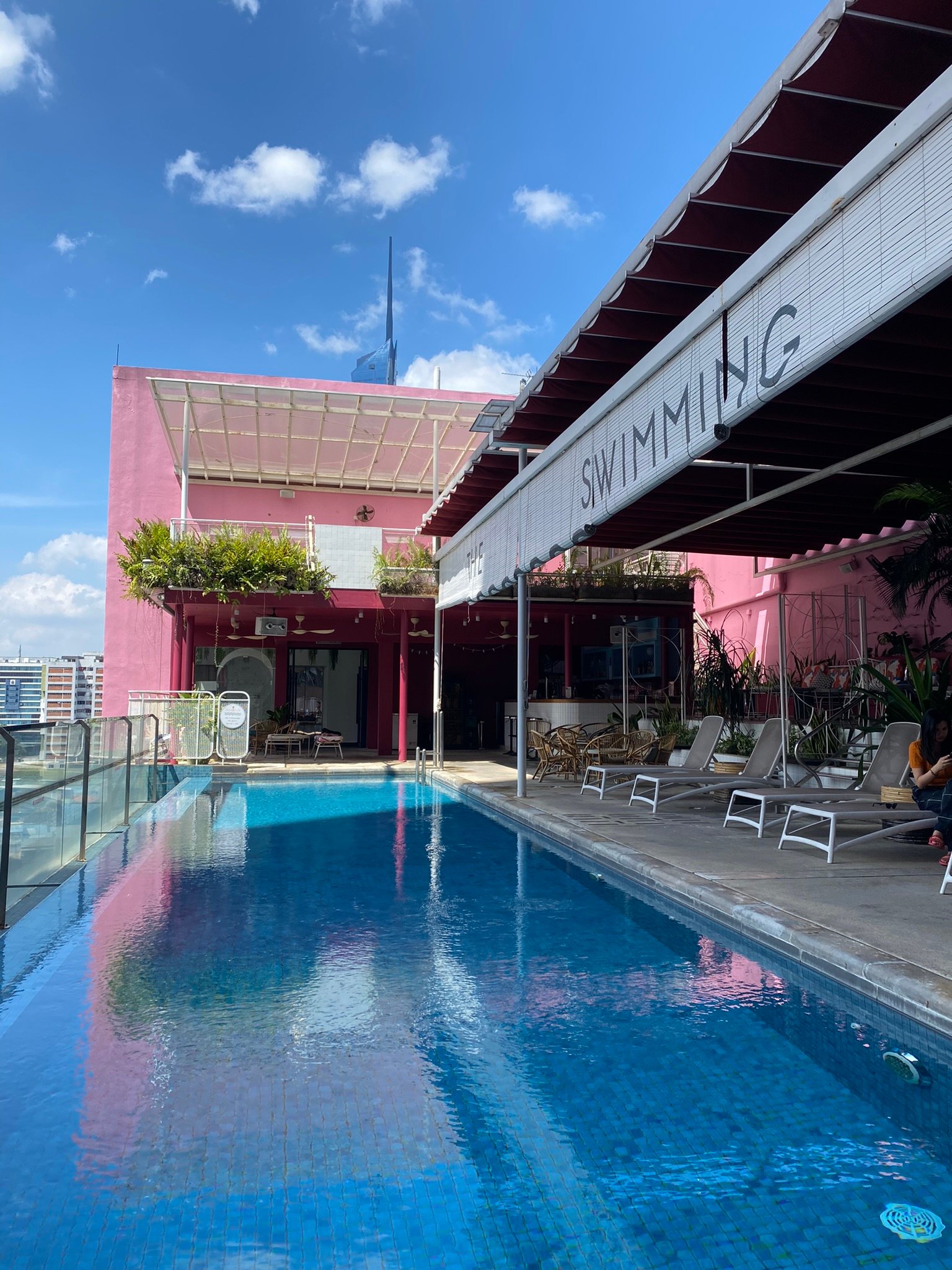
€€€ – The Journal Hotel is a great choice to stay in BukitBintang. The hotel itself is very decent and has a nice rooftop pool. Because it’s in the citycenter everything else is close-by.
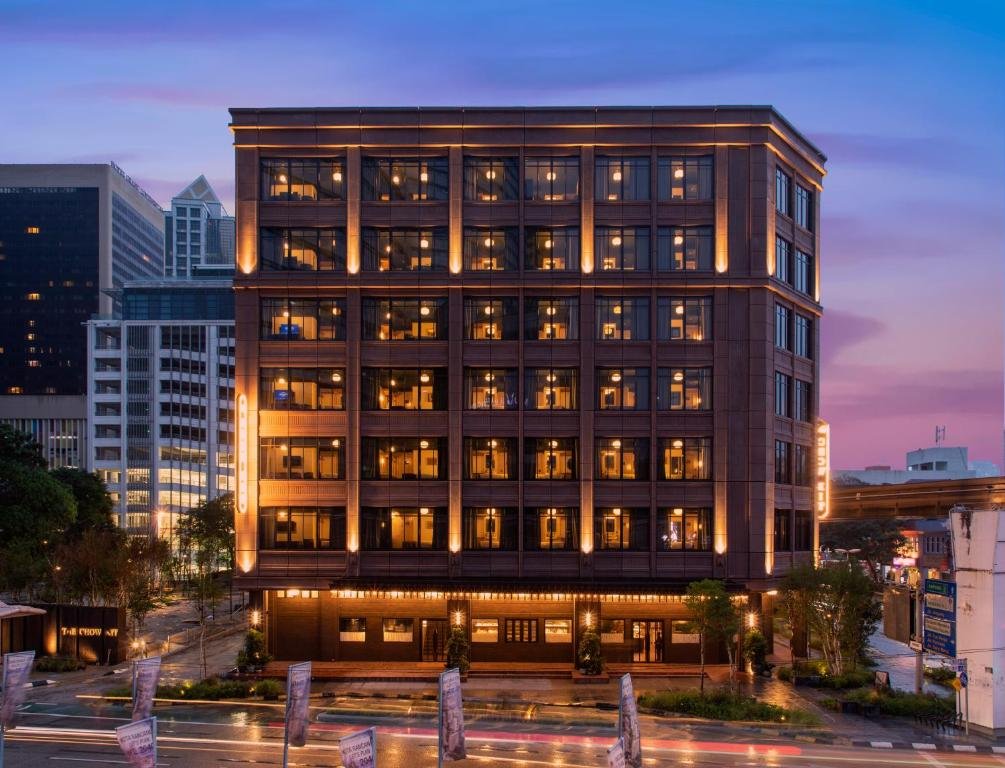
€€ – The Chow Kit Hotel is another good choice if you want a stylish but relaxed stay, with comfort, character, and a localfeel rather than a large and busy hotel. We definitely like to stay in ChowKit the most.
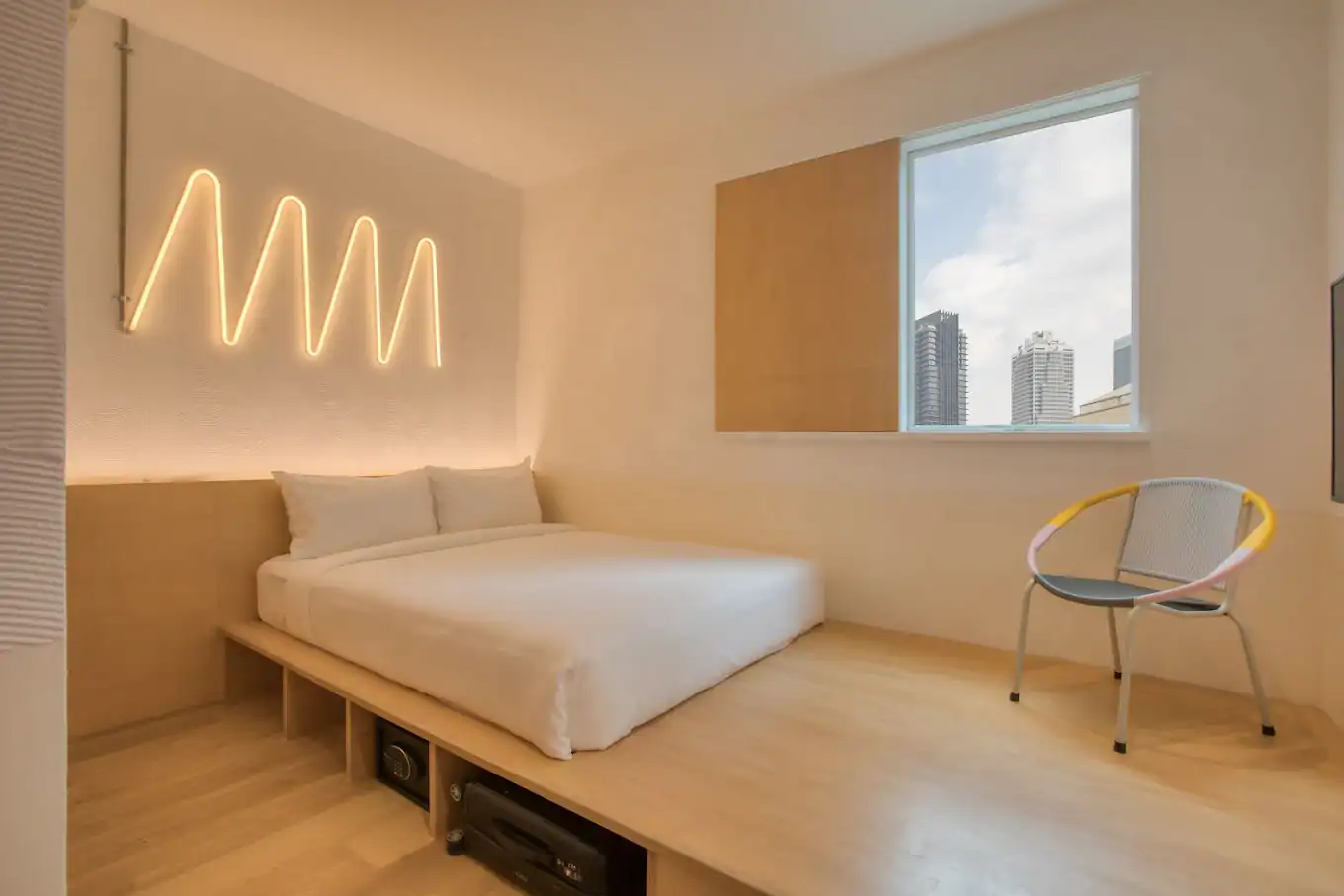
€ – MoMo’s is right next to The Chow Kit, in the same building. It’s our go-to stay if we want a short and affordable stay in Kuala Lumpur at a great location.
If you’re looking for fully halal hotels, we got you! What we mean by fully halal is no alcohol is provided, all food is halal, designated prayer rooms, optional leisure for ladies only (swimming pool, gym) and modest swimwear is allowed in the mixed swimming pool.
€€ – AnCasa Hotel is a practical option if you want to stay close to the heart of Kuala Lumpur without spending too much on accommodation. I like the location for exploring the city, especially around Chinatown, Petaling Street and Merdeka square.
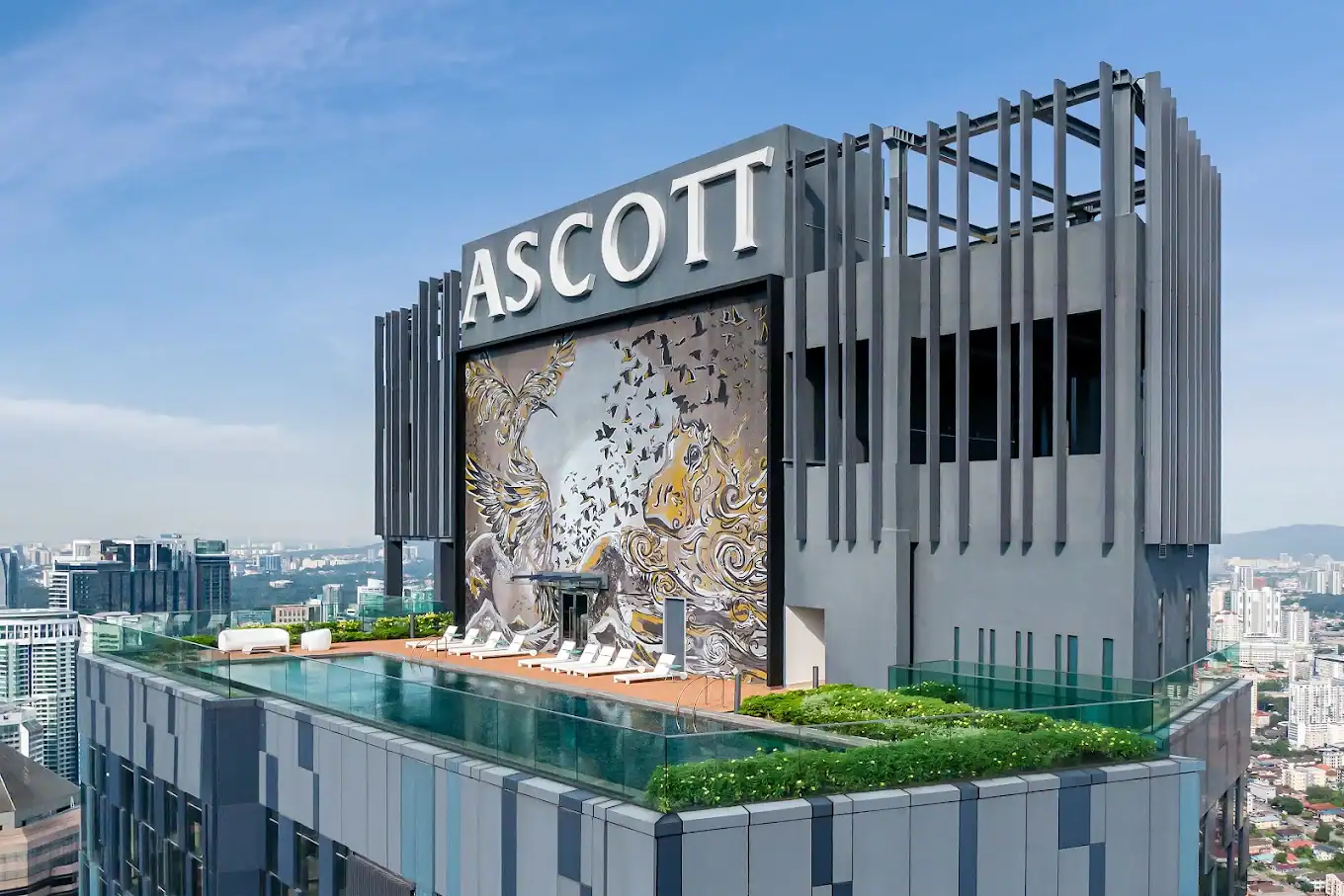
€€€ – Ascott Star KLCC is one of our favourite options in Kuala Lumpur if we want a comfortable, modern stay right in the heart of the city. The location is excellent for exploring KLCC and getting around, while the spacious rooms make it feel more like an apartment than a typical hotel.
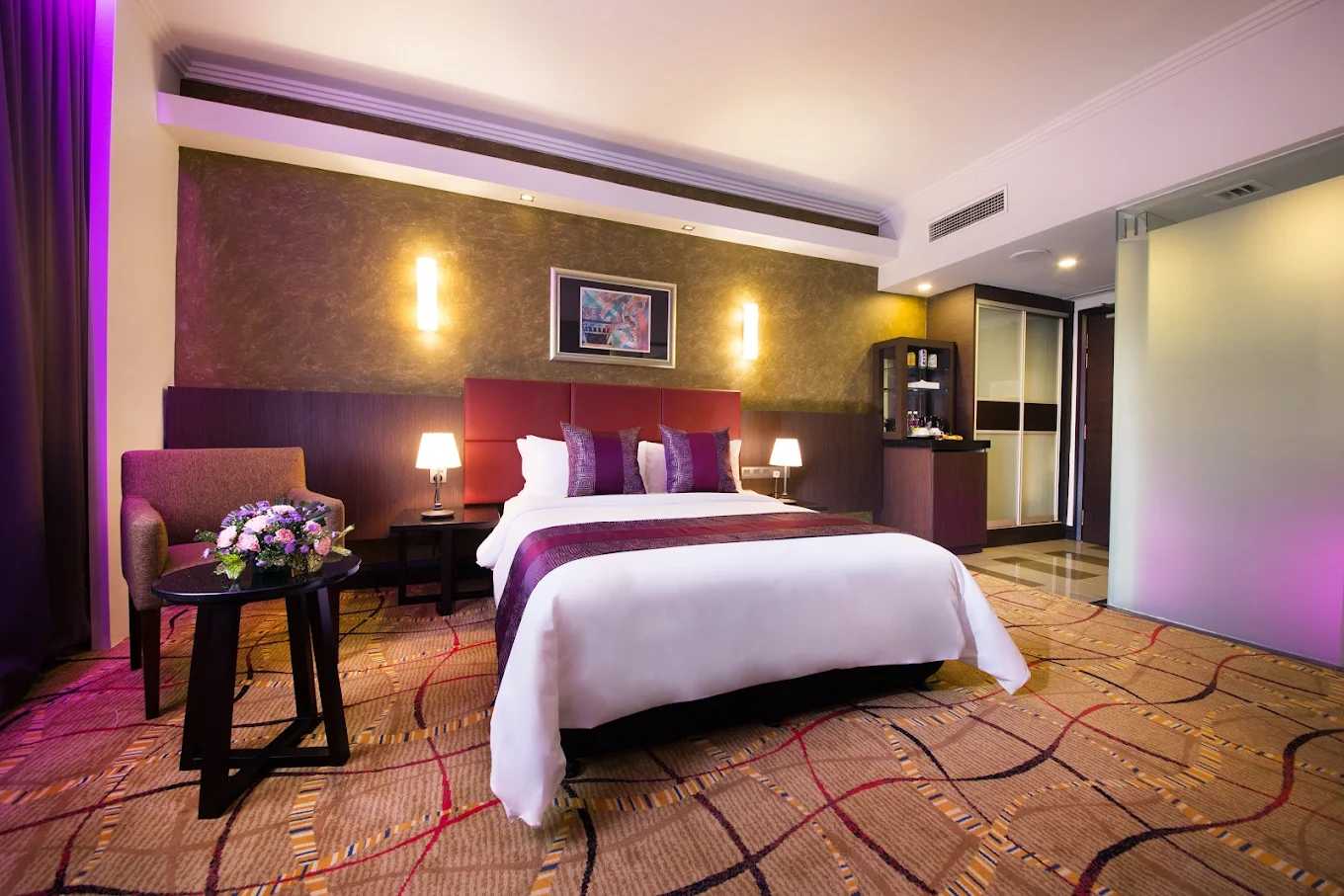
€€ – Perdana City Centreis a great choice if you’re looking for something comfortable and well located without necessarily going for the most luxurious option. I like that it gives you easy access to Kuala Lumpur’s main areas. A good option if location and value are your priorities.